




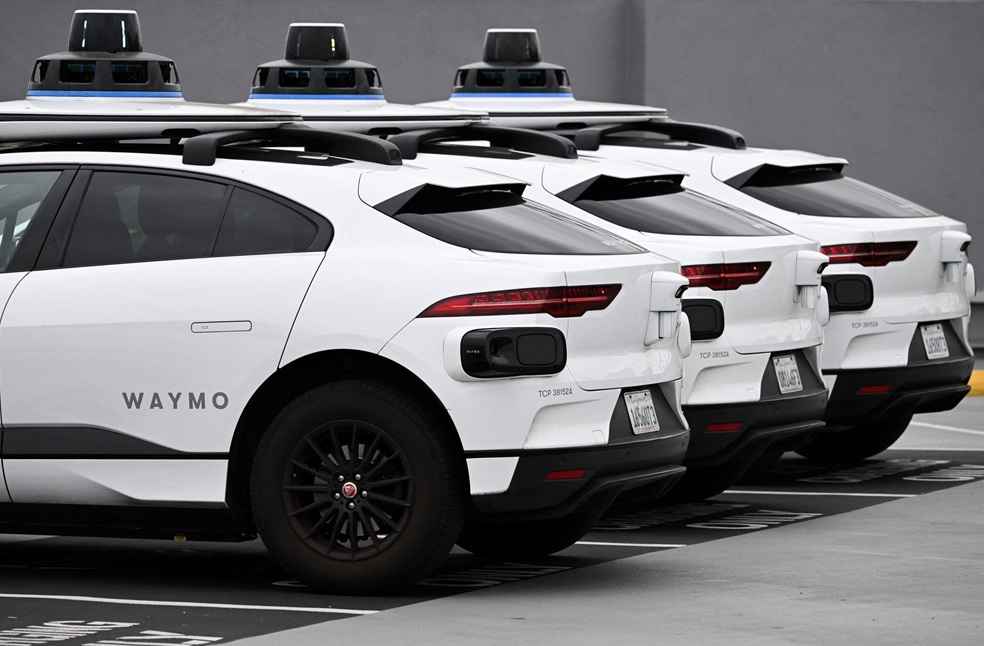
Waymo has withdrawn its robotaxis from highways nationwide after California regulators ordered the company to suspend freeway operations within the state. The decision followed a series of safety-related incidents, including a viral video showing one of its robotaxis attempting to bypass a police blockade.
The restriction, which took effect on November 11, was prompted by repeated instances of Waymo vehicles entering active construction zones where workers, vehicles and equipment were present, according to a statement released by the agency on Tuesday. The agency barred the Alphabet-owned company’s driverless cars from operating on California freeways, stating that they pose “an imminent hazard to public safety.”
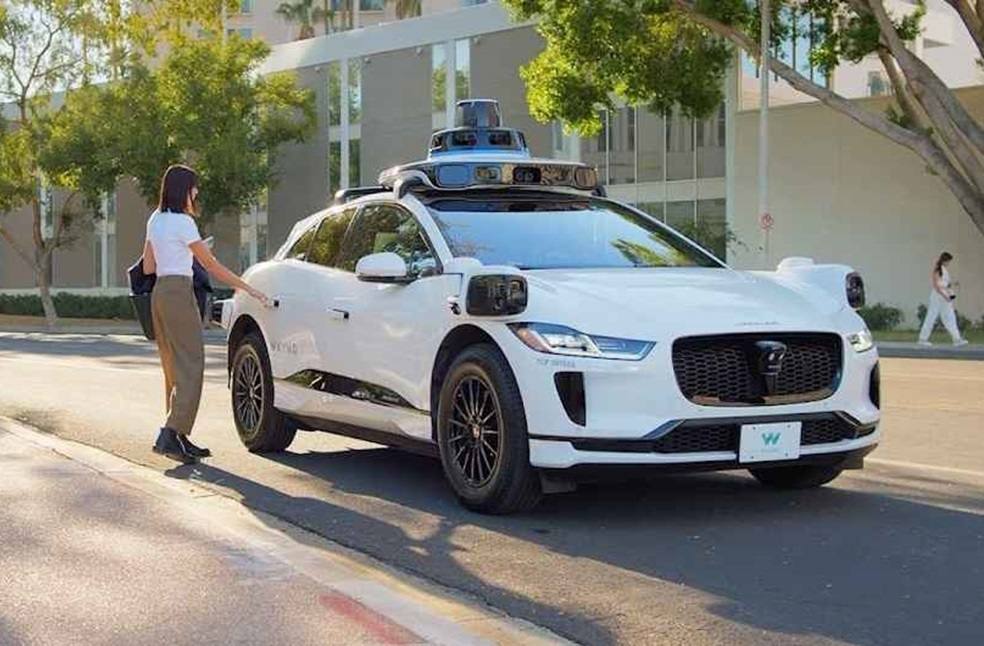
While the measures took effect earlier, they were not publicly disclosed until Tuesday. The DMV told TechCrunch that the decision followed multiple safety-related incidents, including three Waymo robotaxis entering an active construction closure on U.S. Route 101 near Burlingame and a separate event involving California Highway Patrol vehicles on Interstate 280 in San Francisco.
In response, Waymo has disabled freeway access for its autonomous fleet across all of its operating markets, extending the restriction beyond California. The company currently provides commercial robotaxi services in 15 cities across the United States.
The DMV said the restrictions will stay in effect until Waymo demonstrates that it has implemented effective corrective measures. Waymo introduced commercial freeway rides in late 2025, marking its expansion across major metropolitan areas.
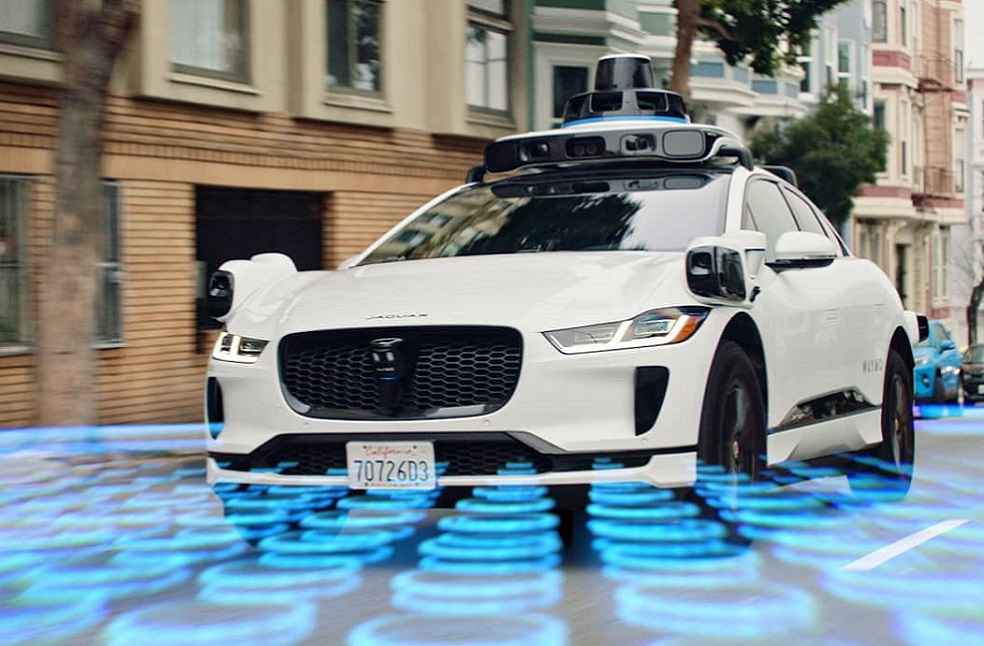
By allowing robotaxis to use highways, Waymo has been able to provide faster trips to airports and other destinations, reducing travel times compared with routes that rely solely on surface streets. This has been especially beneficial in the San Francisco Bay Area, where Waymo’s operating zone extends from San Francisco to Silicon Valley, significantly shortening cross-Peninsula journeys.
Waymo temporarily halted its highway operations in May without specifying the reason behind the decision. The move followed social media posts showing its autonomous vehicles driving through traffic cones and encountering difficulties in construction areas. Highway service resumed in July after the company rolled out software updates designed to improve the system’s ability to navigate freeway construction zones.
DON’T MISS | NHTSA Probes Honda and Acura Models Over Engine Restart Issues