





Stellantis CEO Antonio Filosa said cost inflation is expected to continue through 2027 and possibly 2028, while reaffirming the automaker’s partnership with Leapmotor to produce low-cost EVs in Italy for a planned 2028 launch. According to Reuters, Filosa made the remarks at the annual general assembly of the Italian automotive parts association Anfia in Milan.
He said Stellantis and its suppliers should brace for ongoing cost pressures in raw materials and electronic components.
“We know that in 2027, and probably also in 2028, we and our suppliers will have to deal with significant raw material inflation, as well as cost inflation linked to memory chips, PCBs (printed circuit boards) and semiconductors,” Filosa said.
A Stellantis spokesperson later clarified to Reuters that Filosa’s remarks referred to the group’s overall cost base, which runs into billions of euros each year. Filosa stressed the need to improve competitiveness and called for government support to reduce production costs, especially energy expenses.
He also urged Italian and EU authorities to take steps to lower energy costs and introduce more industry-friendly regulations, including rules on carbon emissions.
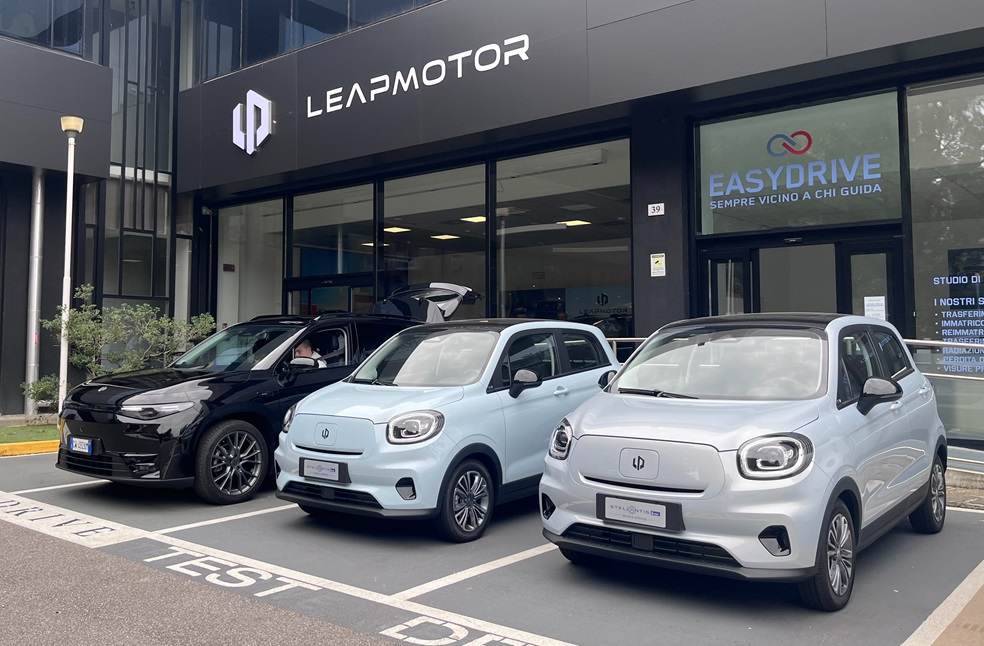
Filosa further confirmed that Stellantis will work with its Chinese partner Leapmotor to jointly develop future electric cars.
Production of the electric cars is expected to take place at Stellantis’ Pomigliano plant in Italy, with sales scheduled to start in 2028. The e-car segment will target Europe’s entry-level passenger vehicle market, focusing on affordable electric models.
The partnership will also cover the joint development of future electric and electronic technologies across Stellantis’ European manufacturing facilities, including its Italian plant. Filosa said Leapmotor’s involvement would support Stellantis’ European operations and help both companies develop new electric and electronic solutions. He added that e-cars would be a key area of their cooperation.
Earlier this month, Stellantis signed an asset purchase agreement to sell its Brampton assembly plant in Ontario, Canada, along with related equipment, to Canadian defense technology firm Roshel.
EV WORLD | CATL Targets 6,000 Battery Swap Stations by 2027