




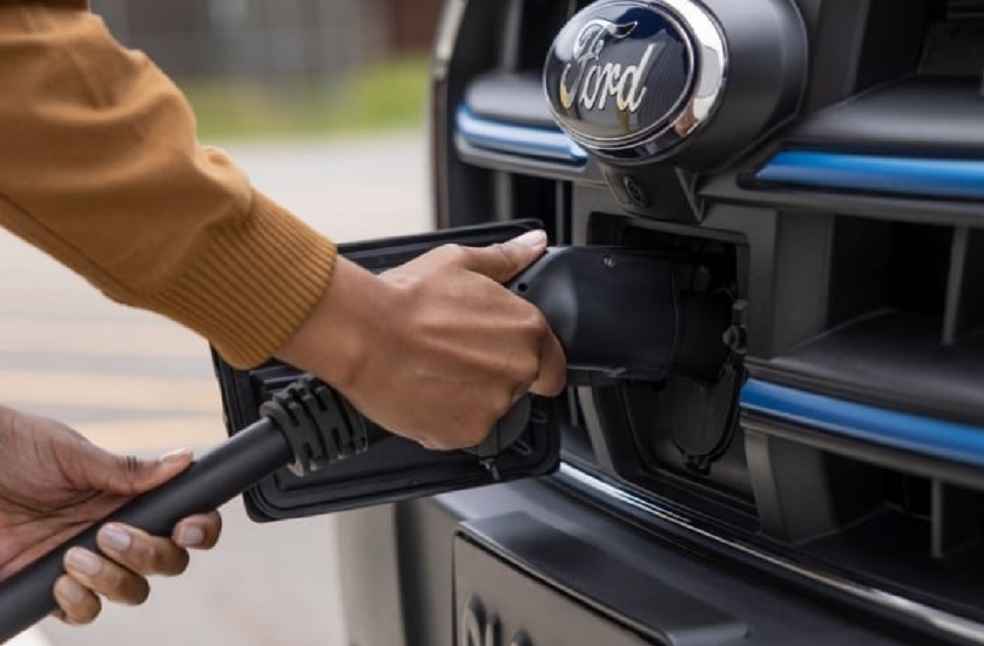
Ford said its electric vehicle batteries retain more than 90% of their original capacity on average after 100,000 miles of driving. The findings add to growing evidence that modern EV batteries experience relatively limited degradation over time.
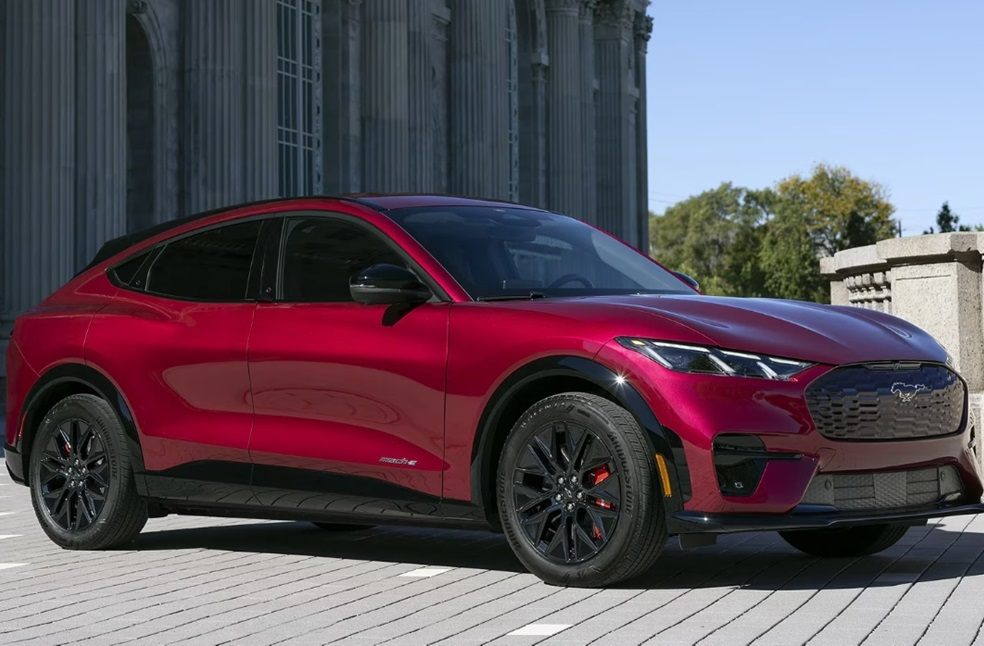
To assess long-term battery performance, Ford analyzed battery health data from 36,000 Mustang Mach-E vehicles from the 2021 model year sold in the U.S. and Canada. The results, released on Monday, showed that the vehicles retained an average of 92% of their usable battery capacity after 5.2 years of operation and approximately 55,000 miles of driving.
Based on that level of capacity retention, a 2021 Mustang Mach-E with an EPA-rated range of 305 miles would be expected to deliver roughly 280 miles of range today.
All vehicles included in the study were equipped with nickel-cobalt-manganese (NCM) battery packs. Ford introduced lithium-iron-phosphate (LFP) batteries for the Mustang Mach-E only from the 2023 model year, meaning they were not included in the assessment.
Across its electric vehicle range, including the F-150 Lightning and E-Transit, Ford reported that battery packs retain more than 90% of their health on average after 100,000 miles. The data also showed that 95% of the vehicles recorded battery health levels between 87% and 97%, indicating relatively consistent performance across the fleet.
Among 2021 model-year electric vehicles, more than 2,000 have covered over 100,000 miles on their original battery packs while retaining an average of more than 91% of their capacity. More than 30 vehicles have also exceeded 200,000 miles, with average battery health standing at 88%.
Ford said it is leveraging real-world vehicle data to help owners maximize battery performance and better understand EV operation. The company is also applying insights gained from its current EV fleet to the development of its Universal Electric Vehicle (UEV) platform, which is set to underpin its next-generation electric models, beginning with the Fantom pickup.
According to Kevin Vander Laan, Ford’s technical leader for high-voltage battery cells and systems, the company combines laboratory cell testing with computer-based degradation modeling before launching a vehicle. However, long-term performance data gathered from vehicles in customer use remains the most valuable measure of battery durability.
The findings also suggest that higher-than-average vehicle usage has had a limited impact on battery longevity.
Ford reported that more than 30 vehicles in its dataset that had covered over 200,000 miles retained an average battery health of 88%. Even vehicles driven approximately 40,000 miles annually maintained strong battery performance after five years.
However, battery degradation varies depending on climate and charging habits. High temperatures, frequent DC fast charging and regularly charging to 100% or draining the battery to near-empty can accelerate wear. Ford’s findings showed that 95% of the 36,000 vehicles retained between 87% and 97% of their original battery capacity.
To preserve battery health, Ford recommends parking in shaded areas during hot weather, preconditioning the cabin while plugged in, using Level 2 charging for daily needs and limiting DC fast charging. The company has also introduced vehicle-specific battery health features in its Ford App and plans to use real-world data to improve its next-generation EVs.
EV WORLD | VW Considers Production of SSP-Based Models at Martorell Plant