



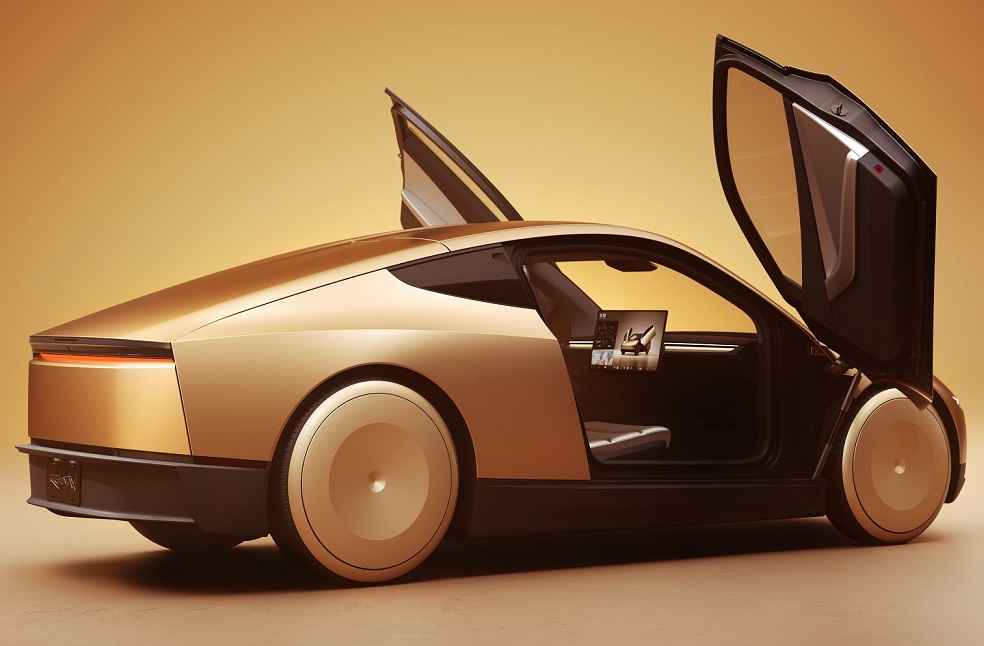
The National Highway Traffic Safety Administration (NHTSA) has directed Tesla to demonstrate that its Cybercab complies with federal safety requirements for sale in the United States.
In a formal Special Order issued on September 10, the agency requested that Tesla provide, under oath, evidence explaining how a vehicle without a steering wheel, pedals, or conventional mirrors meets federal safety standards intended for vehicles operated by human drivers.
Tesla must submit its response by September 30. Failure to provide complete and truthful information could result in penalties of up to $139 million. The order contains 21 detailed requests examining Tesla’s certification of the Cybercab, which entered commercial service on September 3. While manufacturers typically self‑certify vehicles against federal standards, NHTSA is scrutinizing the basis of Tesla’s assertion that a vehicle lacking conventional driver controls meets those requirements.

Requests five through seven address a central issue: whether a human could operate these vehicles using temporarily attached controls and whether Tesla relied on such controls or other driver equipment when certifying compliance. If so, NHTSA seeks clarification on which standards depended on them.
NHTSA also asks Tesla to explain how removing such equipment complies with federal requirements prohibiting the disabling or rendering inoperative of required safety equipment. This sequence highlights a specific concern: equipment used to establish compliance may not be present when the vehicle is carrying passengers. The order does not assert that Tesla engaged in this practice; rather, it requires the company to state whether it did and to provide its rationale.
The question concerning the brake pedal presents another regulatory issue. In Request 19, NHTSA cites the existing requirement stating that “the service brakes shall be activated by means of a foot control.”
NHTSA has reminded Tesla that manufacturers cannot certify compliance with the relevant provision without a foot‑operated service brake and has requested a detailed explanation of how the Cybercab satisfies this requirement. The order also asks how the vehicles comply absent a formal exemption.
NHTSA is also seeking more than evidence supporting Tesla’s certification. Request nine specifically demands information indicating that the vehicles fail to meet an applicable standard, even in cases where Tesla dismissed a test or analysis as invalid. NHTSA further requires disclosure of which standards Tesla determined did not apply, together with the full rationale for each decision.
Although NHTSA has stated that it is in the process of updating federal standards to accommodate automated vehicles, existing requirements remain enforceable until that work is complete. Tesla’s responses must be accompanied by an affidavit from a responsible officer attesting to their accuracy and completeness.
Additionally, the order highlights a significant regulatory issue. NHTSA cites its own 2022 rule, which noted that further FMVSS (Federal Motor Vehicle Safety Standards) revisions would ‘likely be necessary’ before a vehicle operated solely by an automated driving system could be manufactured for sale, unless the automaker holds an exemption under Part 555.
Tesla does not currently hold a Part 555 exemption. NHTSA is therefore requesting that the company explain the legal basis for selling the Cybercab without such an exemption.
TRENDING | Nissan to Build Kicks at Sunderland for European Markets