





Audi recently announced plans to establish its first U.S. manufacturing facility in Georgia, backed by an initial investment of $4 billion, with operations expected to begin in the early 2030s. The plant is projected to employ approximately 4,500 people and produce SUVs for the domestic market, with an annual capacity of 200,000 vehicles. However, the proposed investment is now reportedly set to increase beyond the initial commitment.
According to Automotive News, documents submitted to the Mid-Georgia Gateway Development Authority suggest that Audi could increase its planned investment in the project by an additional $3 billion even before construction begins. The proposed expansion could generate around 3,000 additional jobs, taking the total projected workforce beyond the initially announced figure. The additional investment is reportedly expected by 2033, although Audi has not disclosed whether it would lead to an increase in the facility’s planned annual production capacity.
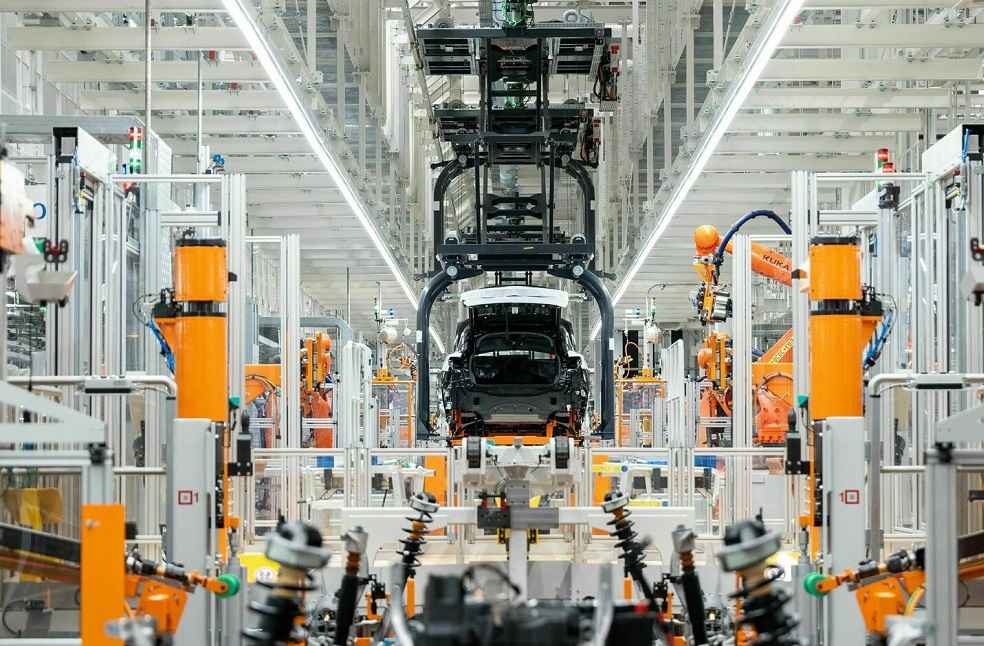
The proposed increase in investment and employment could also result in a substantial expansion of the facility’s production capacity. Based on current estimates, annual output could potentially reach 300,000–350,000 vehicles. If implemented, the project would further strengthen Audi’s manufacturing presence in the U.S. and reflect a broader commitment to expanding its operations in the market.
The project will also receive considerable government support. Audi is eligible for $458 million in tax incentives, alongside approximately $120 million in grants for construction and infrastructure development. An additional $430 million is earmarked for road upgrades, utility infrastructure and workforce-related expenses. The automaker could also benefit from reduced import tariffs until the Georgia facility becomes operational.
Audi had reportedly sought a reduction in the 15% import tariff on EU-made vehicles to 7.5%, with the Department of Commerce considering a lower rate. However, previous reports indicate that the U.S. government is more likely to settle on a 10% tariff. Although this would represent a partial reduction, the broader outlook for import duties remains uncertain.
NEW LAUNCH | BMW to Launch Neue Klasse iX3 and i3 in China in November