





Stellantis has confirmed that the next-generation Opel Astra will be built at Opel’s historic plant in Rüsselsheim, Germany, underscoring the automaker’s continued commitment to its domestic manufacturing base while advancing its shift toward electrified mobility.
The new Astra will be designed and engineered at Opel’s grEEn-campus global headquarters and is part of at least four upcoming Opel models planned for launch before 2030. The decision was revealed at Stellantis’ Investor Day, where Opel presented its future product roadmap within the company’s FaSTLAne 2030 strategy.
The next-generation Astra will be built on Stellantis’ new STLA ONE platform, a modular architecture developed for B-, C-, and D-segment vehicles. It is intended to replace several existing platforms and accommodate multiple powertrains, including battery-electric, hybrid, plug-in hybrid, and traditional combustion engines.
Stellantis aims to roll out STLA ONE across 30 models by 2035, with targeted annual production output reaching up to two million units.

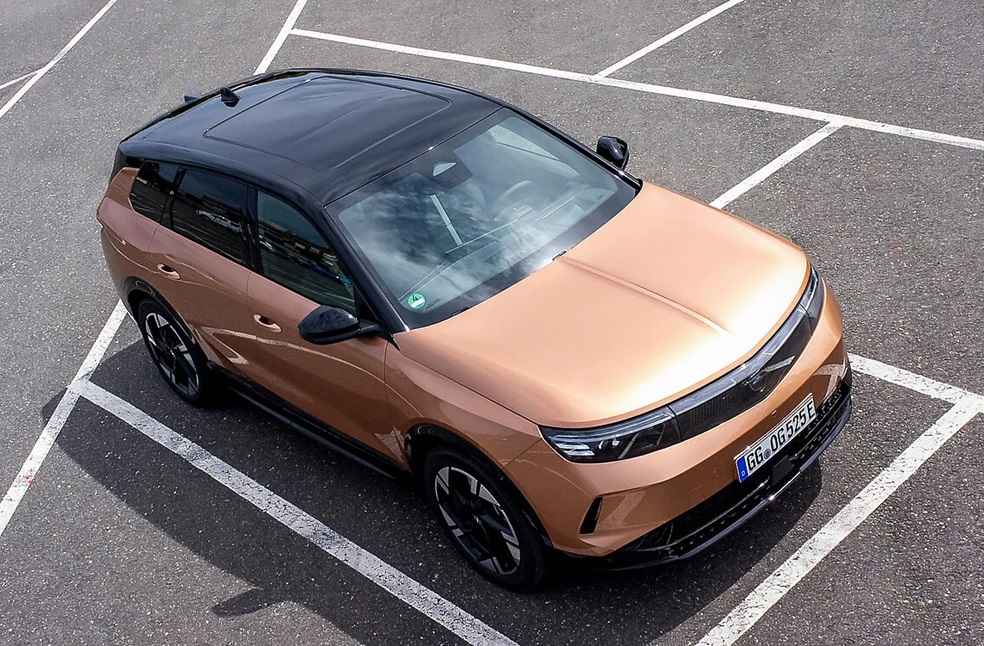
Opel has not yet disclosed technical specifications for the upcoming Astra, but the current generation already offers a wide range of powertrains, including fully electric, plug-in hybrid, hybrid, and diesel options. The recently updated Astra Electric comes with a larger 58-kWh battery (55.4 kWh usable), delivering a WLTP range of up to 454 kilometers.
The decision to continue production in Germany secures the future of Opel’s key compact model and underscores the strategic role of the Rüsselsheim plant. Stellantis Enlarged Europe COO Emanuele Cappellano highlighted the importance of the C‑segment, which represents about 30% of European vehicle sales, noting that the Astra remains central to Stellantis’ regional growth under the FaSTLAne 2030 roadmap.
The Astra announcement is part of Stellantis’ broader plan to invest over €1 billion in Germany by 2030. A significant share of that funding is allocated to the new grEEn-campus. The facility will feature photovoltaic energy generation, green roofing, geothermal cooling, and eco-friendly building materials.
According to reports, the investment is expected to safeguard around 1,350 manufacturing jobs, while also creating other long-term opportunities.
Meanwhile, Opel plans to launch at least three new models before the end of the decade, including a next-generation Corsa that will also adopt the STLA ONE platform, and a fully electric C-segment SUV developed with Leapmotor. The SUV, to be built in Zaragoza, Spain, could arrive as early as 2028 and will be designed in Rüsselsheim with joint engineering input from Germany and China, strengthening Opel’s position in the competitive C-segment alongside the Frontera and Grandland.
DON’T MISS | China Intensifies Crackdown on Auto Price War Amid Mounting Losses