




General Motors announced on Tuesday that it is developing a lower-cost energy storage solution to support large AI-driven data centers. The automaker is partnering with U.S. startup Peak Energy to introduce sodium-ion batteries for energy storage systems.
GM Ventures, the company’s investment division, will support the initiative, aimed at designing purpose-built sodium-ion cells. The company said it will carry out materials and component development this year, followed by prototyping at its battery laboratory in Michigan. A timeline for mass production has not yet been disclosed.
GM is developing sodium-ion battery chemistry at its Wallace Battery Cell Innovation Center in Warren, Michigan, according to a statement from Kurt Kelty, GM’s Vice President of Battery and Sustainability.
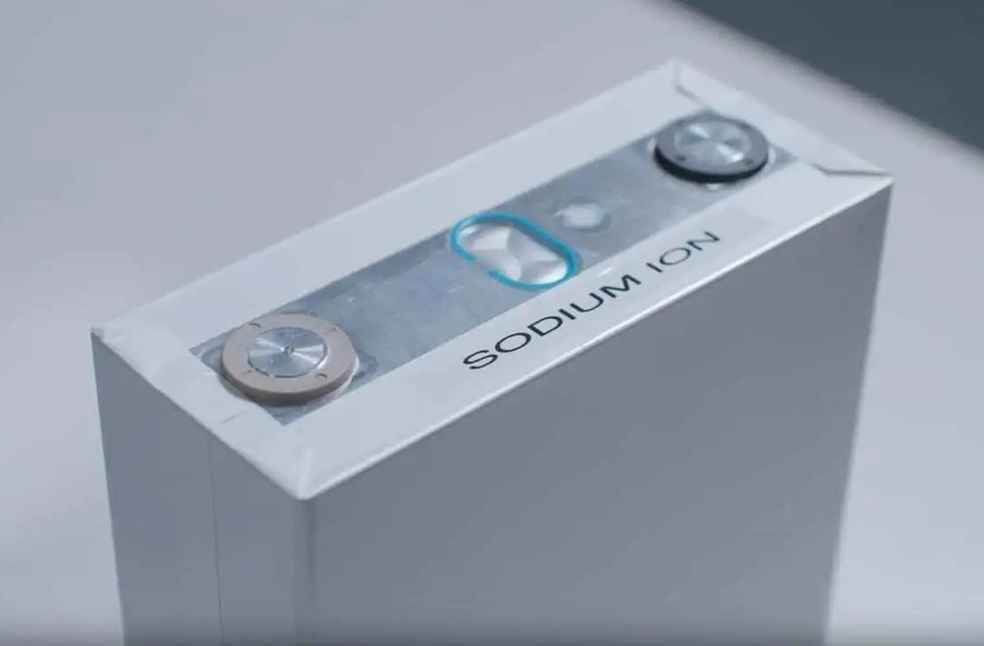
Energy storage systems function like large-scale power banks for high-energy consumers such as data centers. General Motors intends to leverage both its existing and emerging battery development capabilities to deliver commercial energy storage solutions at scale. The company plans to develop sodium-ion cells for these systems, citing their lower cost and greater durability over the expected 20–25 year lifespan compared to current options.
Sodium-ion batteries also perform better in low-temperature conditions and are significantly more heat-resistant than lithium-ion chemistries. Unlike LFP cells, which require liquid cooling to maintain optimal operating temperatures, sodium cells typically need only minimal heating in extreme cold and do not require cooling systems. This reduces system complexity and long-term costs, making them advantageous for utilities and data center applications.
GM plans to supply sodium-ion cells to the startup, which will then integrate them into its products. The first GM-developed cells are expected to enter trial production at the company’s Battery Cell Development Center in 2028.
However, commercial production of sodium-ion batteries remains several years away.

Meanwhile, GM will supply lithium iron phosphate (LFP) cells to LG Energy Solution for use in energy storage systems. LG Energy Solution already partners with GM through the Ultium joint venture, which manufactures batteries for the automaker’s electric vehicles.
In addition to its partnerships with LG and Peak Energy, GM announced an expansion of its collaboration with Redwood Materials, the battery recycling and energy storage startup. Redwood currently sources scrap material from GM’s battery manufacturing facilities as well as used EV battery packs, with about 10,000 packs currently in its processing pipeline.
The startup has also been running a 12 MW / 63 MWh microgrid at Crusoe Energy Systems’ data center in Sparks, Nevada. GM also confirmed it is purchasing a 7.2‑megawatt‑hour Redwood system for installation at one of its Michigan plants, which the company expects will reduce costs by roughly $3 million over the system’s lifetime.
GENERAL | Stellantis Recalls Over 1 Million Jeep Vehicles Due to Fire Hazard