




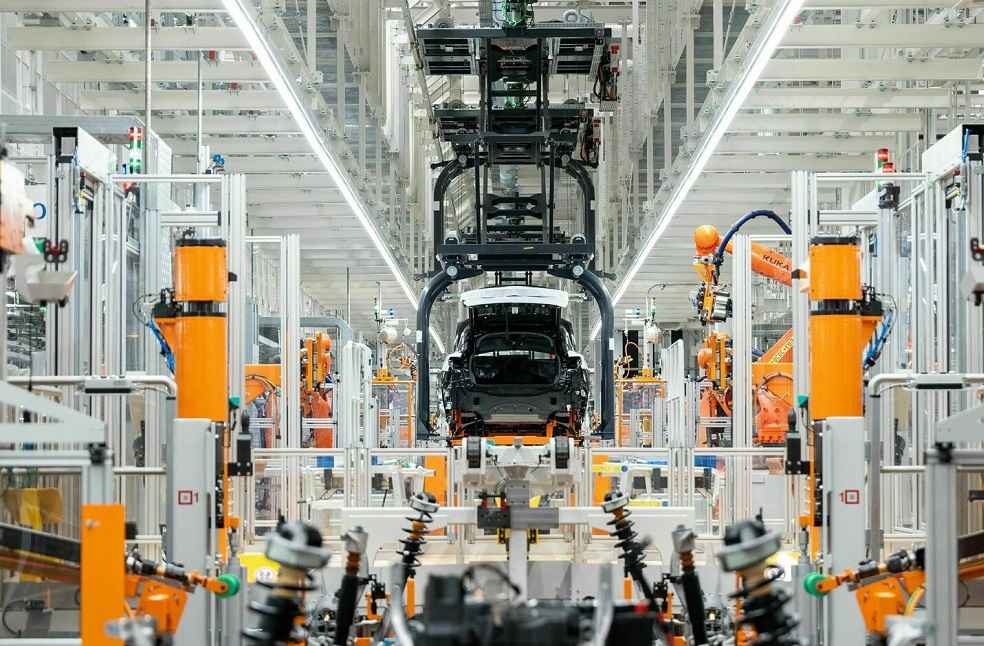
Audi will discontinue the night shift at its historic Neckarsulm plant this November, transferring approximately 1,200 employees to daytime operations to improve efficiency and reduce costs. The move is intended to optimize manufacturing capacity in response to declining demand across the global luxury automotive market.
The decision comes as the Volkswagen Group undertakes a comprehensive evaluation of its manufacturing operations under the leadership of CEO Oliver Blume. As part of an organization-wide cost optimization strategy, the company is implementing measures to improve efficiency and streamline production. Audi is implementing structural reforms to enhance long‑term operational resilience and better align manufacturing capacity with prevailing market demand.

According to Reuters, the financial outlook behind Audi’s factory restructuring is stark. The Audi Group reported a 12.5% year-over-year decline in second-quarter revenue to €15.0 billion, while operating profit decreased by 3% to €533 million. As a result, the company’s operating profit margin stood at 3.6%, remaining well below its full-year target range of 5 to 7%.
The downturn is largely attributed to softer demand in the Chinese market and the impact of higher tariffs in the United States. In response, Audi has reduced the annual production capacity at the Neckarsulm plant to approximately 225,000 vehicles, around 75,000 units fewer than its previous level.
As part of its production optimization efforts, the company will also end A8 manufacturing at the facility and consolidate production of the A5 sedan and wagon models within its newest assembly hall.
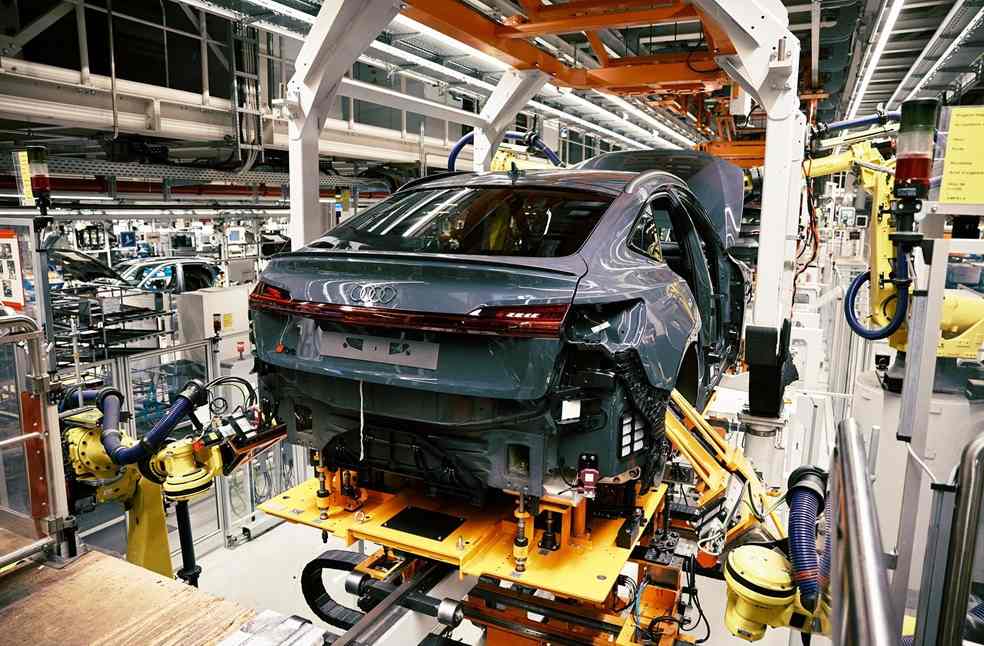
The long‑term outlook for Neckarsulm remains highly uncertain. The facility currently produces only combustion‑engine vehicles and has no confirmed battery‑electric allocations once the A5 and A6 reach the end of their cycles. While the plant’s works council supported the shift changes for securing future EV platforms, Volkswagen Group is not expected to finalize these production assignments until later this year.
TOP CARS | Mercedes-Benz Unveils Third-Gen GLA with First EV Variant