




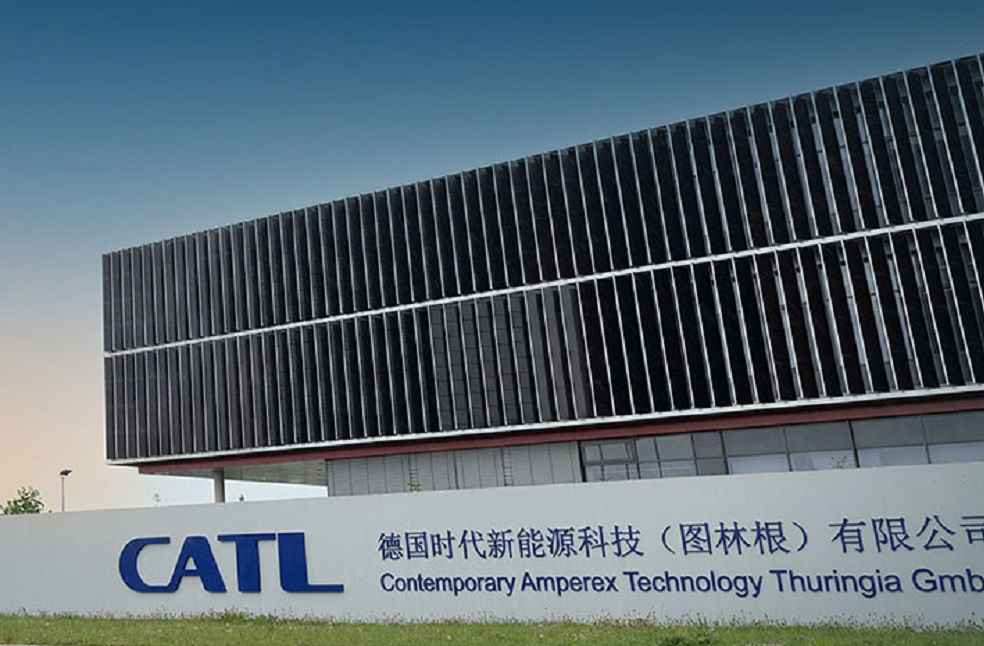
BAIC is planning to divest assets linked to its 112 battery swap stations as the automaker aligns its network with CATL’s Choco-Swap network.
Its wholly owned subsidiary, BAIC Powertrain, plans to sell the assets through a public auction on the Beijing Equity Exchange. The offering includes inventory, fixed assets, ongoing construction projects, and intangible assets associated with the 112 stations. The minimum bid price has been set at about 278 million yuan based on a valuation as of September 30, about 1.5% higher than the assets’ book value of around 274 million yuan.
According to CarNewsChina, no buyer has been confirmed so far. If completed in 2026 at the proposed price, BAIC expects it to contribute approximately 3.5 million yuan (€480,000) to net profit after transaction-related expenses. The company considers the battery swap stations as non-core assets.
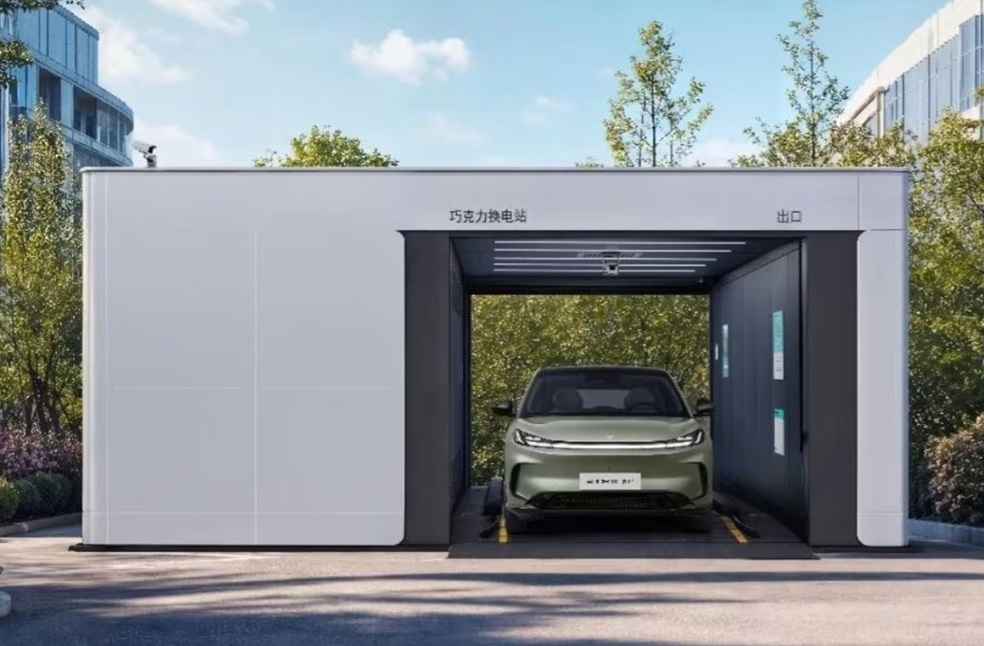
Through the sale, BAIC aims to unlock tied-up capital and redirect the funds towards its core business and future development. The company was among China’s early battery swapping pioneers, introducing the concept for taxis and ride-hailing vehicles in Beijing in 2015. From 2016, it also partnered with battery swap operator Aulton.
However, BAIC’s expansion plans fell short of expectations. Under its 2017 ‘Optimus Prime Plan,’ the company aimed to build 3,000 solar-powered battery swap stations by 2022 and deploy 500,000 swappable-battery vehicles. The stations now being sold mainly serve fleet operators, including taxis and ride-hailing services, and follow BAIC’s own technical standards. As the automaker shifts towards CATL’s Choco-Swap system, these older facilities are becoming less important.
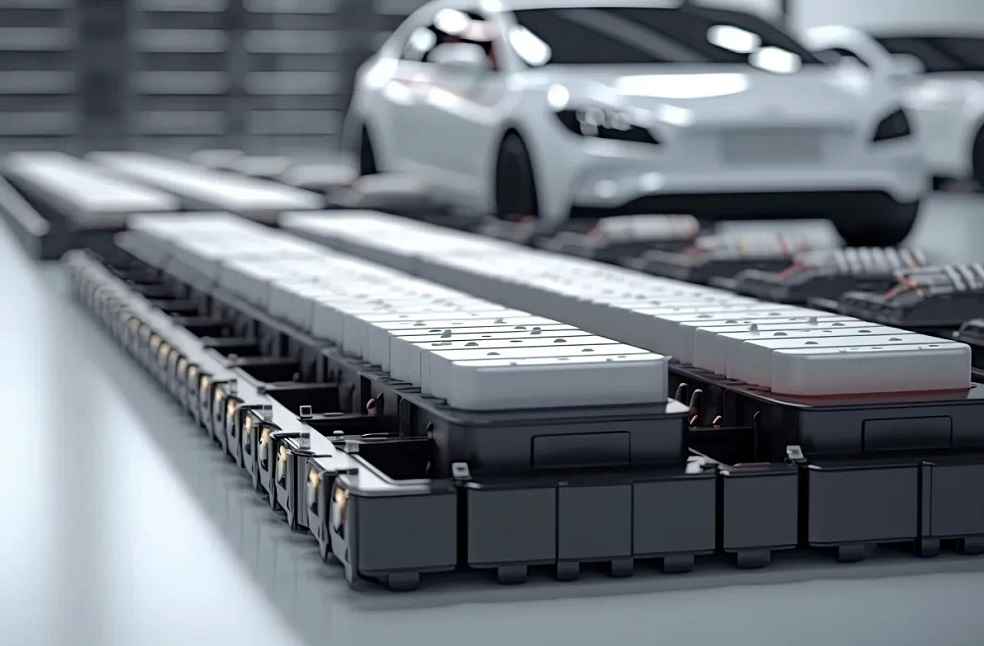
The sale follows a renewed partnership between BAIC and CATL in October. The companies agreed to make more BAIC models compatible with CATL’s Choco-SEB system and develop new swap stations through BAIC’s dealer network. Their long-term goal is to build a battery swapping ecosystem capable of supporting up to one million vehicles.
BAIC CEO Zhang Jianyong said the shift towards CATL is driven by the high costs of building and maintaining its own battery swap stations. In November, BAIC’s Arcfox brand launched battery-swapping versions of the Beta T1 and Beta S3 in China and announced plans to offer a swappable-battery option across its entire lineup next year.
CATL’s Choco-Swap system uses standardized battery packs compatible with multiple automakers, unlike older systems designed for individual manufacturers. CATL’s Choco-Swap network had more than 2,500 stations across about 200 cities as of late September. CATL plans to expand this to 6,000 stations in 297 cities by 2027, with a long-term target of 30,000 locations.
NEW LAUNCH | Momenta and Uber Launch Robotaxi Pilot Service in Munich