




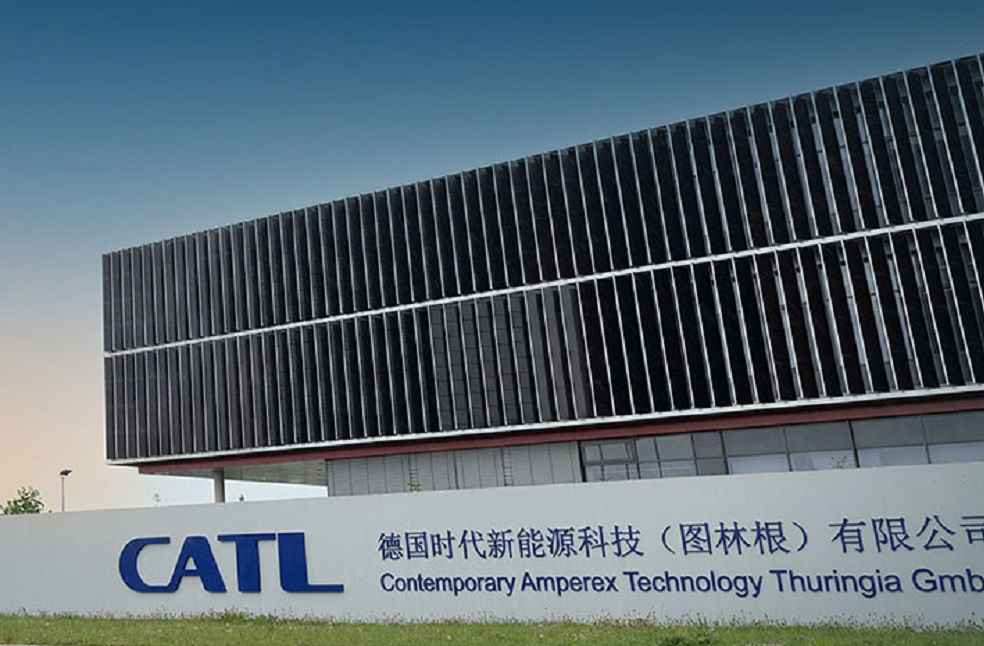
CATL aims to expand its passenger-car battery-swap network to 6,000 stations by 2027, surpassing Nio to become China’s largest battery-swap network operator. The battery giant announced on Friday that its Choco-Swap network is expected to cover 297 cities across China by 2027.
According to real-time data from Nio Power, Nio operates 4,254 battery-swap stations across China, including 1,081 along highways. If CATL achieves its 6,000-station target while Nio maintains its recent expansion pace of approximately 1,000 new stations annually, CATL could overtake Nio in total passenger-car battery-swap stations by 2027.
Whether CATL overtakes Nio will depend on how quickly both companies expand their networks. Nio is still targeting the addition of more than 1,000 battery swap stations this year, after adding 679 stations in 2024 and 681 in 2025, according to CnEVPost.

CATL’s latest plan calls for 5,000 urban battery swap stations and 1,000 highway stations. The urban network is intended to keep battery swapping within a 10-minute drive in major city areas. The company’s highway network will cover 11 north-south and nine east-west routes. CATL said the network will reach all prefecture-level cities and centrally administered municipalities in China, except Sansha.
CATL has been scaling up its Choco swap network. It had 1,020 stations at the end of 2025, reached 2,000 stations in July, and expanded to 2,520 by September. The company had earlier set a target of building more than 3,000 passenger car battery swap stations in China by the end of this year.
The new 6,000-station goal would double CATL’s previous year-end target by 2027 as it continues to add more compatible vehicle models.
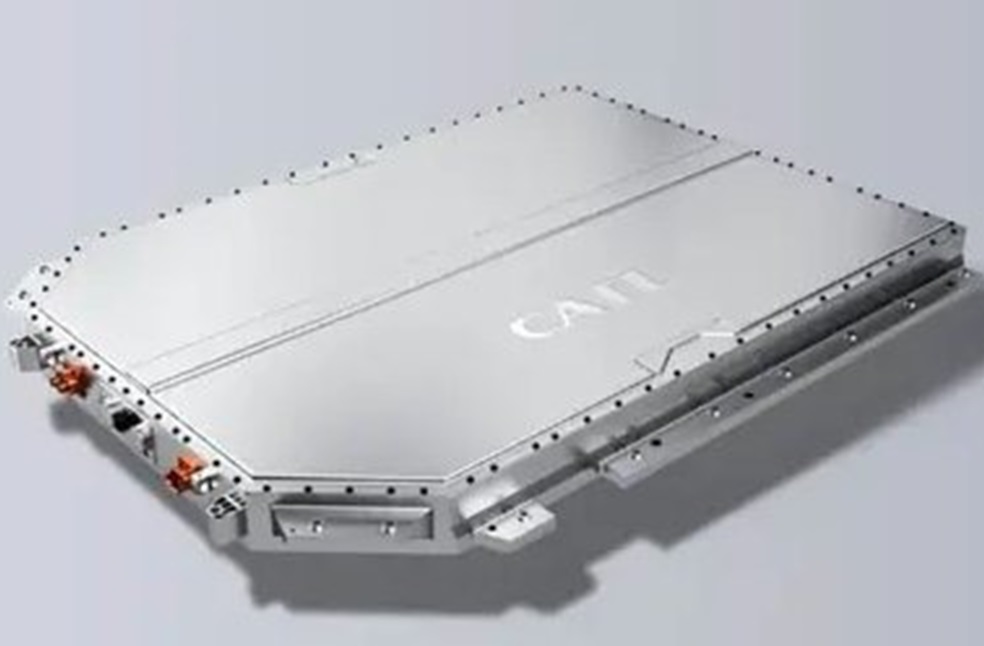
In October, Beijing Automotive Group (BAIC Group) and CATL signed an agreement to expand their battery swap partnership. The deal will bring models from several BAIC brands onto CATL’s Choco swap network, while BAIC’s dealership network will help support the rollout of new swap stations.
The two companies plan to develop a battery swap ecosystem serving 1 million vehicles, although they have not provided a timeline for reaching that goal.
The expansion also supports CATL’s strategy to advance sodium-ion batteries. CATL Chairman Robin Zeng said this week that sodium-ion battery range is adequate for most daily city driving, and that a larger battery swap network could help address concerns about longer-distance travel.
EV WORLD | Tesla Removes Cheapest Model Y AWD from U.S. Configurator