





Li Auto has officially introduced its self-developed Mach M100 chip after previously teasing the smart driving processor on several occasions.
On Tuesday, the company revealed key specifications of the M100 chip, adding that the upcoming flagship SUV, the Li L9 Livis, will be the first model to feature the chip.
Li Auto said the M100 chip is built on a 5-nanometer automotive-grade manufacturing process, delivering up to 1,280 TOPS of computing power—which the company claims is the highest globally. Alongside the chip, Li Auto developed its VLA 2.1 large model, cutting end-to-end processing delays by 40% and achieving speeds twice as fast as human reaction time.
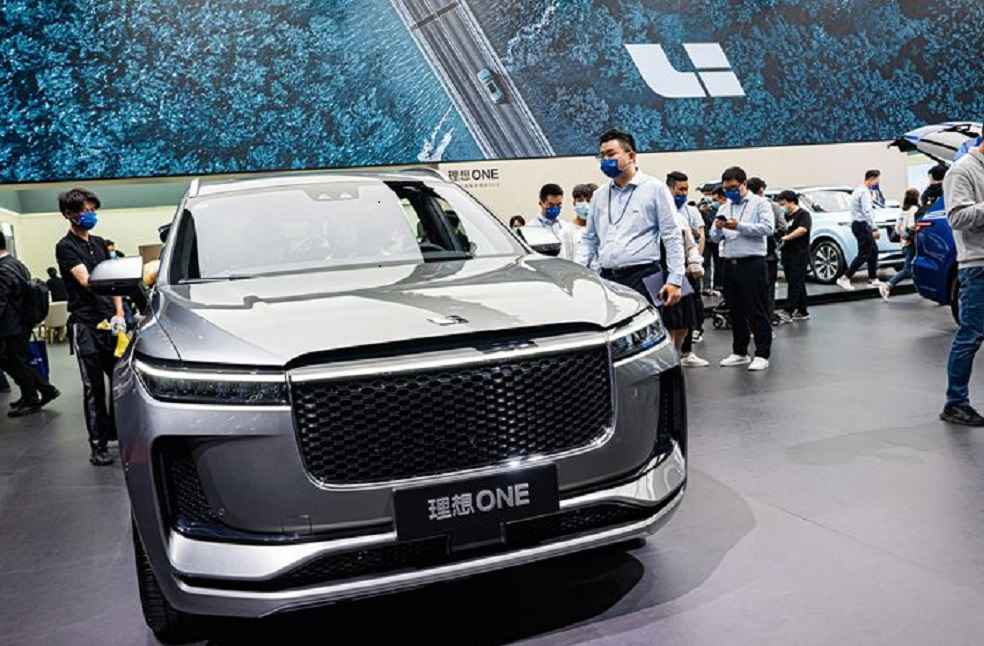
Li Xiang, founder and CEO of Li Auto, emphasized that the company’s in-house chip development is not simply following industry trends but is aimed at overcoming performance limitations that existing supplier solutions cannot.
Li said the surge in AI-driven demand is reshaping chip design, and the Mach M100’s dynamic data-flow architecture helps overcome traditional efficiency limits. He also compared the company’s approach to Apple’s vertically integrated model, noting that Li Auto is simultaneously developing chips, operating systems, large AI models, and hardware.

The integrated hardware–software strategy is intended to deliver a deeply immersive user experience, bringing AI into complex real-world scenarios. The upcoming Li L9 Livis SUV will reportedly use two M100 chips, giving a combined computing power of 2,560 TOPS.
The flagship SUV also features a drive-by-wire chassis and is set to be officially launched, with deliveries beginning on May 15. The model entered pre-sales on April 24 at a starting price of 559,800 yuan ($82,384.09).
The launch also makes Li Auto one of the latest Chinese EV makers to introduce an in-house smart driving chip, joining rivals Nio and Xpeng.
GENERAL | Waymo Recalls 3,500 Robotaxis After Vehicles Entered Flooded Roads