





New research indicates that electric vehicles are not more dangerous to pedestrians than conventional petrol or diesel cars.
According to a study by the University of Leeds, electric vehicles and petrol or diesel cars on UK roads have nearly identical pedestrian accident rates, with no notable difference between them.
Road data from 2019 to 2023, the study found that pedestrian casualty rates were almost the same—57.8 per billion miles for electric vehicles and 58.9 for petrol and diesel cars.
Dr. Zia Wadud, who led the research, said he hoped the findings would dispel common ‘misconceptions’ about the safety of EVs.
The analysis was based on Department for Transport records that log and assess road traffic collisions reported to police nationwide.

Recent data shows that 71,979 pedestrians were struck by cars, taxis, or private hire vehicles over a five‑year span. Of these incidents, 91.25% involved petrol or diesel cars, 7.3% involved hybrids, and 1.3% involved electric vehicles.
Hybrid vehicles showed a higher pedestrian casualty rate—120 per billion miles—something Wadud suggested may stem from their heavy use as private hire cars.
These vehicles typically accumulate far more mileage than the average car and are mostly concentrated in busy cities, raising the likelihood of pedestrian accidents.
However, despite being involved in more incidents, hybrid vehicles generally cause less severe injuries than conventional petrol or diesel cars, he noted.
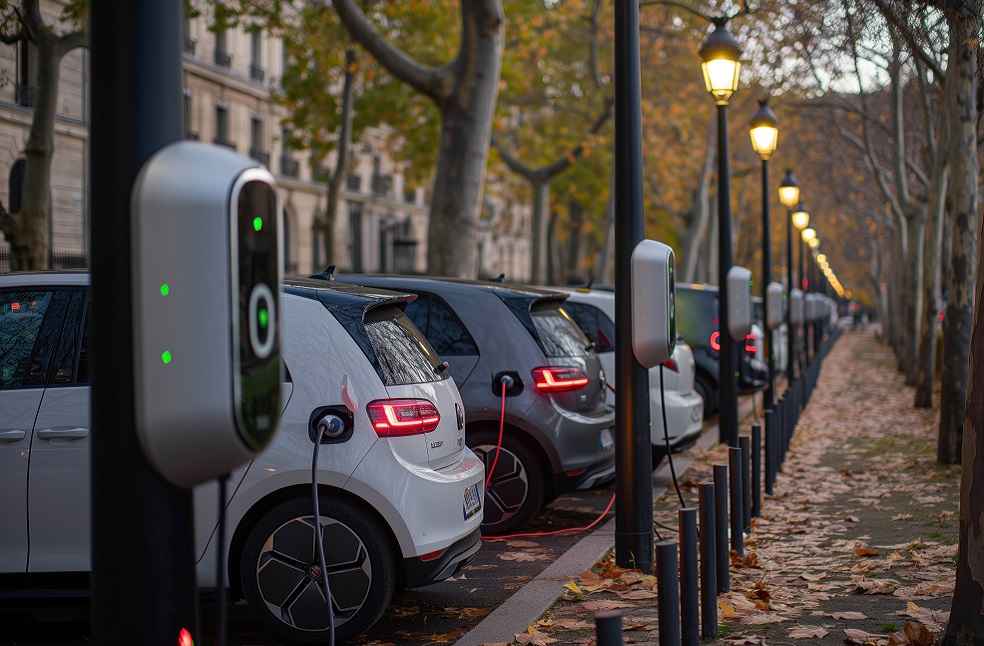
Early electric vehicles raised safety concerns because pedestrians might not hear them approaching. To mitigate this, since 2019, all new EVs and hybrids are required to have a noise-emitting device while in motion.
Meanwhile, Wadud affirmed that one reason behind the study’s results could be the advanced safety features in newer electric vehicles, which help reduce the likelihood of accidents.
DON’T MISS | Ford and Renault Team Up to Build New Affordable EVs