




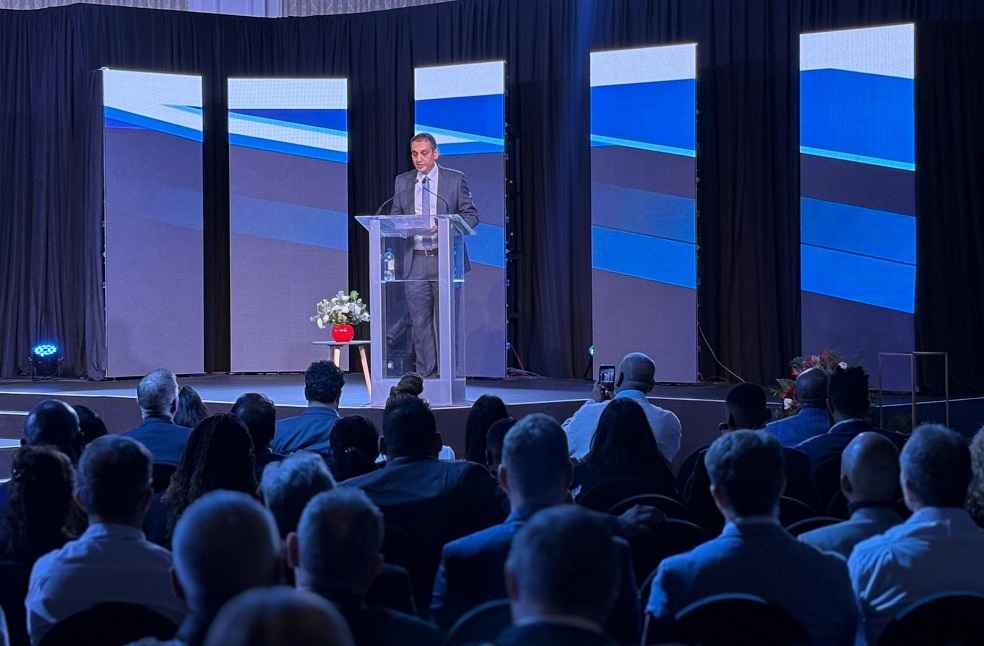
Automotive manufacturers in Nelson Mandela Bay are grappling with mounting challenges as 30% U.S. tariffs squeeze exports and a shrinking domestic market undermines competitiveness. Over the next two days, industry stakeholders will gather at the National Association of Automotive Component and Allied Manufacturers (Naacam) Show and Conference at the Boardwalk Hotel International Convention Center in Gqeberha to explore strategies for resilience and growth.
The event features around 150 exhibitors and a program of expert speakers addressing both local and global automotive industry issues. Naacam CEO Renai Moothilal highlighted that South Africa’s automotive component sector provides 80,000 direct jobs and double that indirectly, with the U.S. accounting for over R28 billion in exports in 2024, including R4.4 billion in components.
He warned of the “fluid global trade environment” and pointed to recent blows, including Goodyear South Africa’s withdrawal and the planned closure of its Kariega plant, as well as ROVD Engineering’s loss of hundreds of millions of rands in contracts due to tariffs. Jendamark Automation has also warned that U.S. duties could cost it R750 million in contracts.
Beyond global trade issues, political instability and deteriorating infrastructure in Nelson Mandela Bay are disrupting supply chains, according to Automotive Industry Development Center Eastern Cape CEO Thabo Shenxane. He cited unreliable energy supply, water outages, poor roads, and inoperable railway lines as persistent challenges.

Automotive Industry Transformation Fund CEO Jabulani Selumane stressed that small and medium-sized enterprises (SMEs) are vital to sector growth, noting that the fund has supported 70 new businesses and created 2,700 jobs since 2021. Both Shenxane and Selumane said the Naacam Show offers a crucial platform for collaboration, innovation, and building supply chain resilience.
NEW LAUNCH | Kia India Partners with ASDC to Boost Auto Sector Skills