




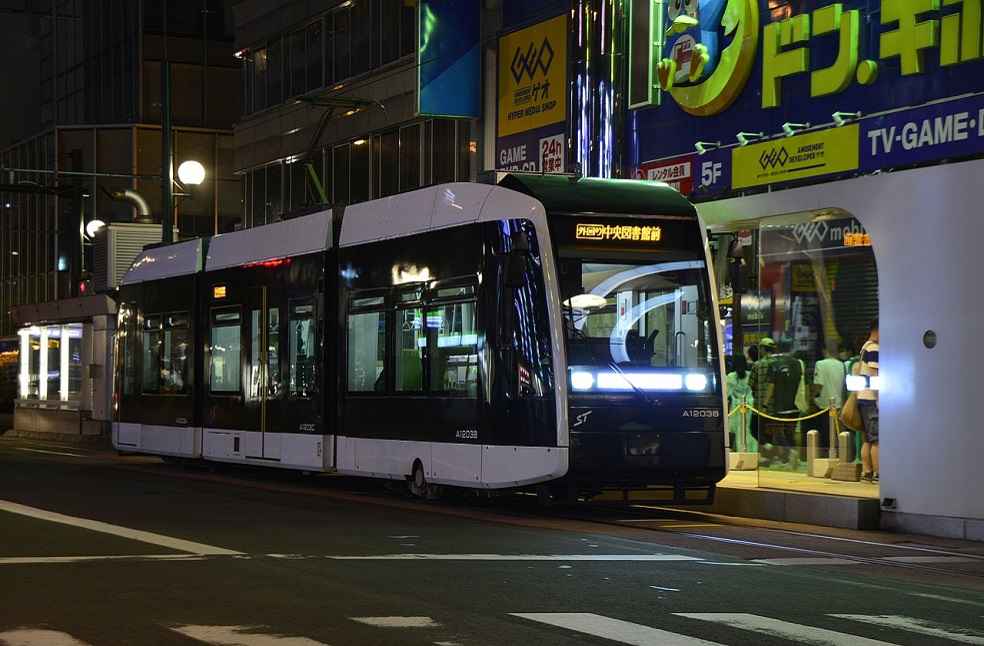
Japan’s automobile industry, the backbone of its economy and a key pillar of national identity, is facing one of its toughest challenges in decades following a sharp increase in U.S. import tariffs.
The sector, which employs about 5.5 million people and produced 8.23 million vehicles in 2024, now finds itself under heavy financial strain as export costs rise sharply.
In July 2025, Washington and Tokyo agreed to raise tariffs on Japanese auto imports from 2.5% to 15%, a move the U.S. government described as a measure to protect domestic manufacturers and stabilize car prices for American consumers.
The change has disrupted Japan’s export-driven automotive model, as over half of the country’s vehicle production is shipped abroad, with one-third destined for the U.S. market.
The impact has been immediate. The combined operating profit loss for Japan’s seven largest automakers is projected at ¥2.7 trillion ($18.4 billion), with Toyota alone expecting a hit of ¥1.4 trillion ($9.5 billion) this year.

Quarterly reports reveal a widespread downturn: Nissan and Mazda have posted net losses, Mitsubishi Motors has seen its revenue nearly wiped out, and Honda’s profits have halved. Even Toyota and Subaru reported earnings declines exceeding 30%.
Toyota estimated that in the first quarter of 2025 alone, U.S. tariffs cost the company ¥450 billion ($3.03 billion), reinforcing the gravity of the policy shift.
The tariff increase leaves automakers caught between two damaging options: absorb the additional costs by lowering export prices or pass them on to consumers.
Both strategies risk further losses: analysts estimate that cutting export prices by 10% to maintain U.S. sales could slash profits by ¥1.3 trillion in fiscal 2025, a steeper decline than that caused by reduced sales volume.
Economist Saitō Tarō of the Economic Research Institute explained that even if reduced prices help sustain market share, rising material costs will continue to squeeze profits.
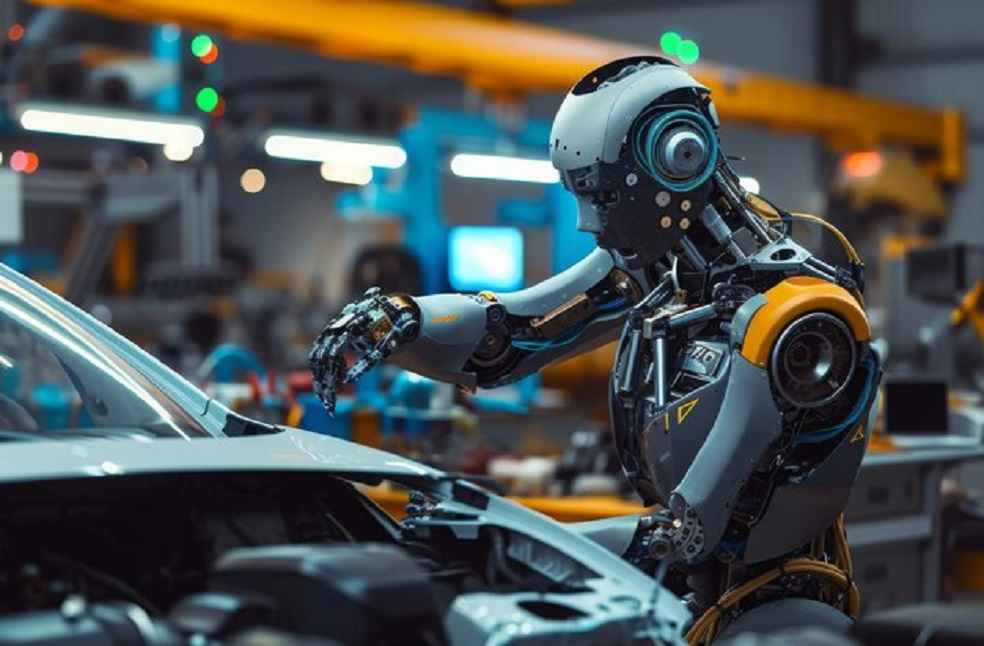
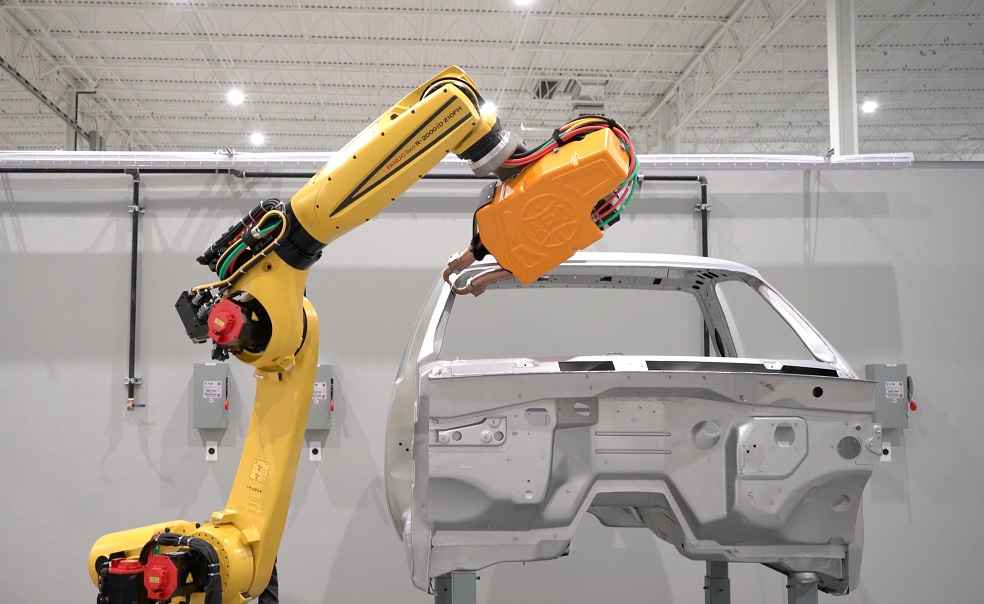
To mitigate the blow, manufacturers are looking to automation for relief. The automotive sector already accounts for 25% of Japan’s industrial robot installations, second only to electronics.
In 2024, carmakers added about 14,000 new robots, strengthening production efficiency.
According to Takayuki Ito, President of the International Federation of Robotics, Japan produces 38% of the world’s industrial robots.
The country also ranks fourth globally in automotive robot density, with 1,531 robots per 10,000 employees, ahead of both the United States and Germany.
Increased automation could help manufacturers reduce labour costs, improve productivity, and partially offset the financial burden imposed by tariffs.
Globally, the tariff realignment is reshaping trade flows. The U.S. is tightening its stance on imports from Europe and China, while Mexico has also raised barriers to Chinese vehicles.
These policy shifts are redrawing international supply chains, influencing where companies invest and manufacture. Interestingly, despite falling vehicle exports, demand for Japanese auto parts in the U.S. has remained strong.
Data from MOTORMIA, a digital automotive insights platform, revealed that the share of Japanese auto parts demand in the U.S. rose slightly from 13.1% to 13.5% after the tariff increase. It shows a sign of continued confidence in Japanese engineering.
TRENDING | Ola Electric Gets Certification for Rare-Earth-Free Ferrite Motor