




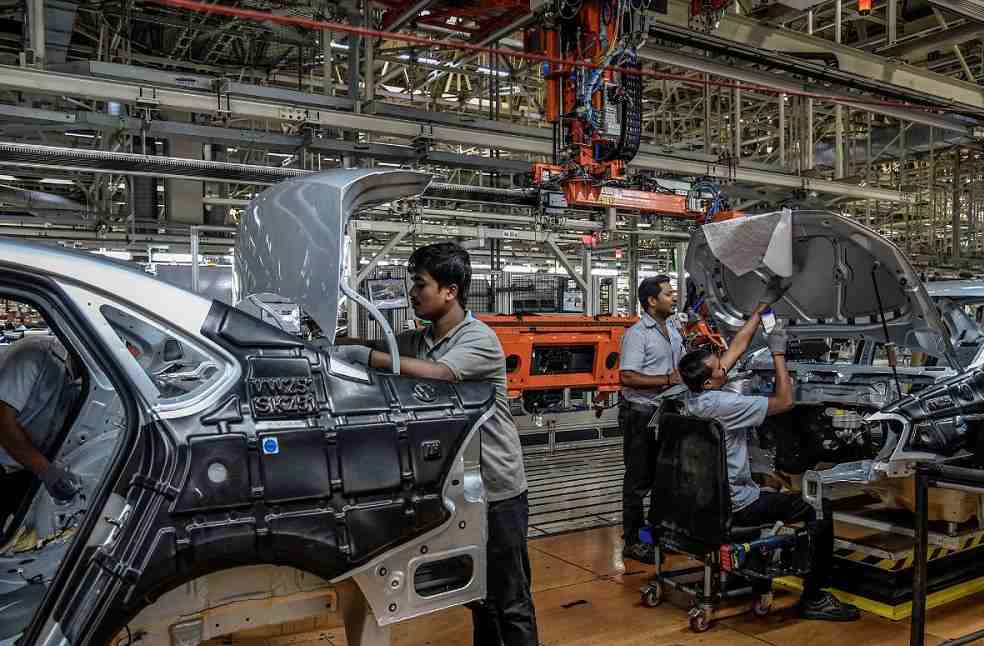
The reduction in import duties on automobiles under the newly signed India–UK Comprehensive Economic and Trade Agreement (CETA) will ultimately strengthen India’s auto component industry, according to Bharti Enterprises Chairman Sunil Bharti Mittal.
He said the agreement will prompt UK component makers to shift production to India, drawn by competitive manufacturing costs and a rapidly expanding domestic market.
Speaking to ANI, Mittal noted that UK automobile companies are likely to increase their sourcing of components from India as the manufacturing of high-value parts moves into the country.
He added that British auto manufacturers may also set up local facilities to leverage India’s low-cost, high-quality production base and deep talent pool.
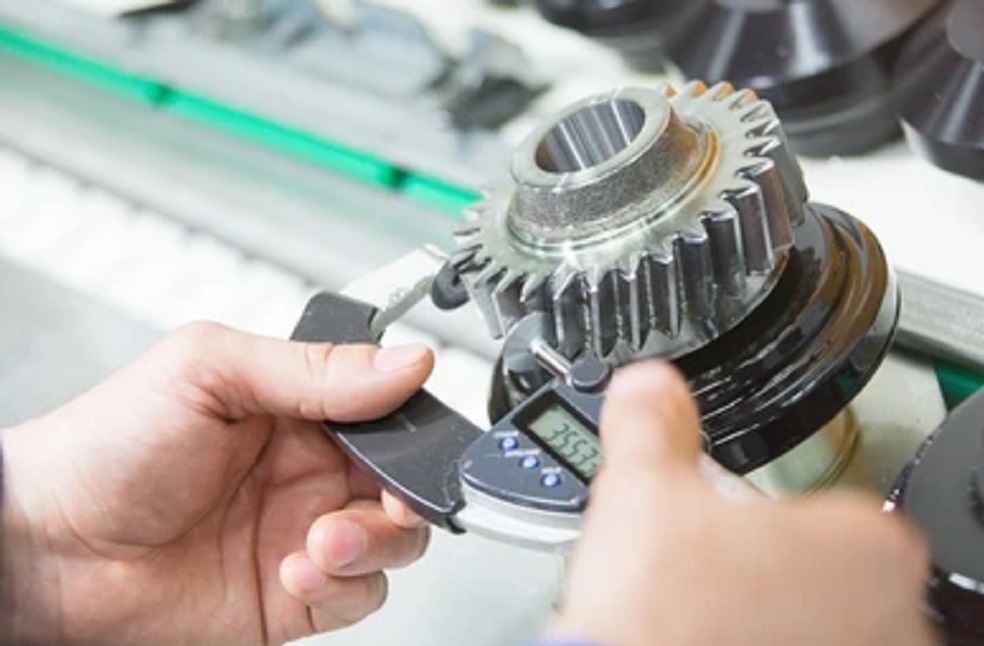
“The Indian auto parts manufacturing industry is one of the most sophisticated and advanced in the world. In fact, if you look at the auto industry, we have a huge leg up in the world of exporting auto components.
So I don’t think Indian industry really needs to feel that expensive components made in the UK or other Western markets will flow into India,” Mittal told ANI.
He dismissed concerns that the agreement could undermine the Make in India initiative, arguing that the arrangement will instead increase opportunities for Indian manufacturers.
“Quite the contrary. Companies that are manufacturing cars and trucks, and automobiles in the UK will be importing more components from India, probably setting up industries and factories in India to ensure that they can get low-cost manufacturing of high-quality availability for their own markets and global markets,” he said.

Under CETA, India will gradually reduce import duties on UK-built cars, including electric and gasoline or diesel models, from more than 100% to about 10%, subject to an annual quota.
The tariff cut will be phased in over ten to fifteen years, with safeguards to protect India’s domestic auto sector as its manufacturing capacity grows.
Mittal also highlighted India’s established global presence in the auto component supply chain, noting that several UK-linked companies are already exporting Indian-made parts to more than 100 countries. He attributed this trend to India’s cost-efficient, skilled workforce and the relatively limited scale of the UK’s local market.
“Talent is in short supply in the UK. Talent is very expensive. Manufacturing is very expensive in the UK. The local market is rather modest,” he said.

Industry bodies have echoed this optimism. The Automotive Component Manufacturers Association of India (ACMA) welcomed the signing of the agreement, stating that it will expand export opportunities and streamline regulatory processes, especially in areas such as electric mobility, precision engineering, and lightweight materials.
The association said Indian MSMEs, which form the backbone of the component industry, will benefit from more liberal trade terms and greater access to UK markets.
NEW LAUNCH | LG Energy Solution Signs $1.4B EV Battery Deal With Mercedes