




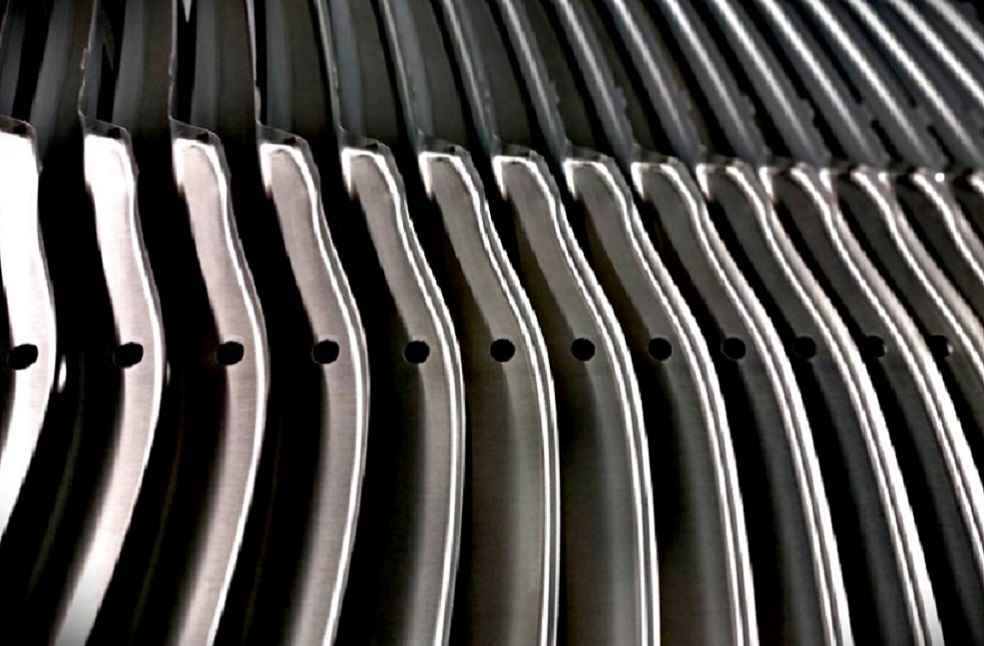
The European Steel Association EUROFER has slightly improved its outlook for the EU automotive industry in 2025, projecting a 3.8% year-on-year decline in production instead of the previously forecast 4.3% decline.
The update signals a modest easing of pressures, though the overall assessment for the sector remains subdued as structural challenges and external risks continue to weigh on performance.
Automotive output in the second quarter of 2025 fell by 4.3% year-on-year, marking the sixth consecutive quarter of contraction. Since 2024, the industry has faced sustained pressure linked to uncertainty around electric vehicle production standards and the slow rollout of charging infrastructure.
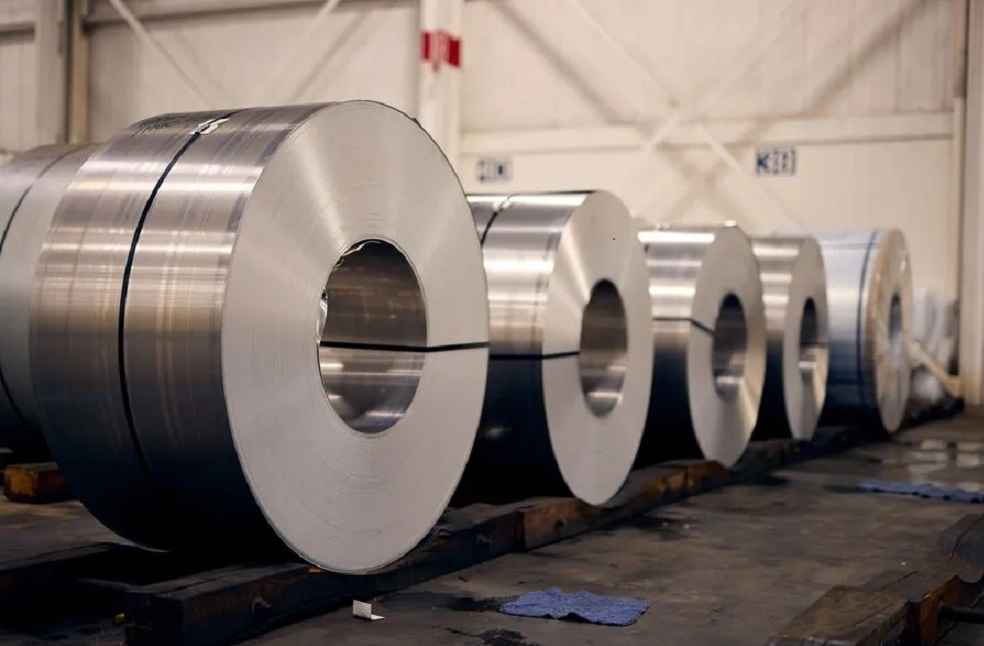
These constraints have complicated the sector’s path to meeting decarbonization goals and the EU’s plan to ban sales of internal-combustion engine vehicles from 2035.
Rising trade barriers and global tensions add further strain. The United States’ decision to impose 15% tariffs on European car exports has become a significant deterrent to new investment and is limiting production growth.
Despite these obstacles, there are tentative signs of stabilization on the demand side. New car registrations in the EU rose 0.9% year-on-year in the first nine months of 2025, and September saw a 10% year-on-year increase driven by the market introduction of new models.
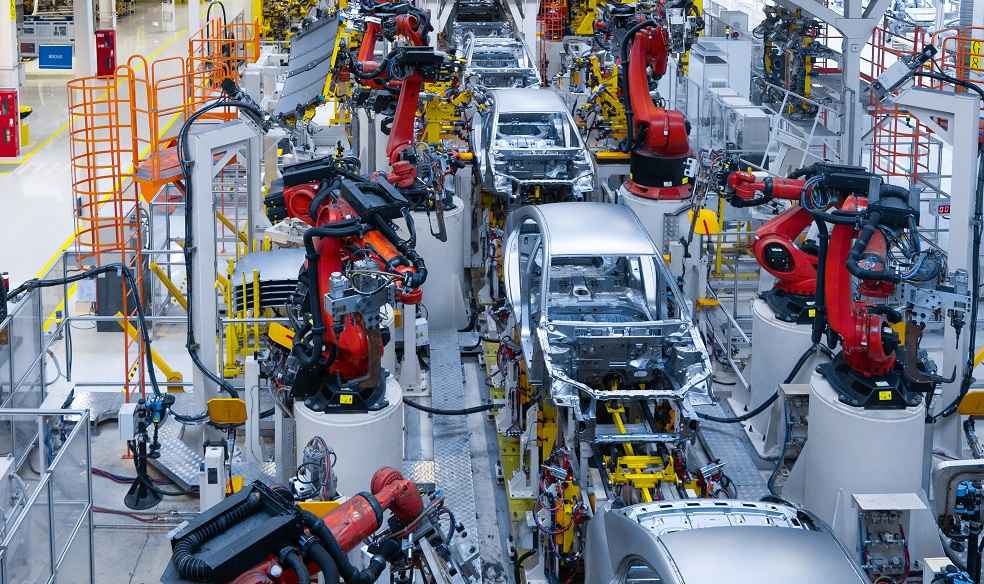
EUROFER’s updated forecast anticipates only a modest recovery in 2026, estimating growth of 1.4% year-on-year. Even with this improvement, production volumes are expected to remain well below pre-crisis 2019 levels.
The association also expects apparent steel consumption in the EU to begin recovering in 2026, increasing by 3%, contingent on improved industrial conditions and an easing of global tensions.
For 2025, steel consumption is set to decline for the fourth consecutive year, reflecting the sustained weakness across key manufacturing sectors.
OBSERVATION | India–UK CETA Seen Boosting Indian Auto Component Industry