





The European Union is preparing to ease its engine ban on the sale of new internal combustion vehicles from 2035, a move that could have wide-ranging implications for the global automotive industry and for Türkiye in particular.
The European Commission is expected to announce a package of measures on December 16 that would relax the planned prohibition on new petrol and diesel car sales. Europe’s automotive sector, facing mounting cost pressures and slowing demand, has lobbied Brussels for adjustments to the policy, though industry stakeholders remain divided on how far the changes should go.
In 2023, the Commission confirmed that sales of new vehicles powered by internal combustion engines would end in 2035, despite opposition from Germany. The decision also applied to hybrid vehicles that combine combustion engines with battery power. The ban is a central pillar of the EU’s broader climate strategy aimed at achieving carbon neutrality by 2050.
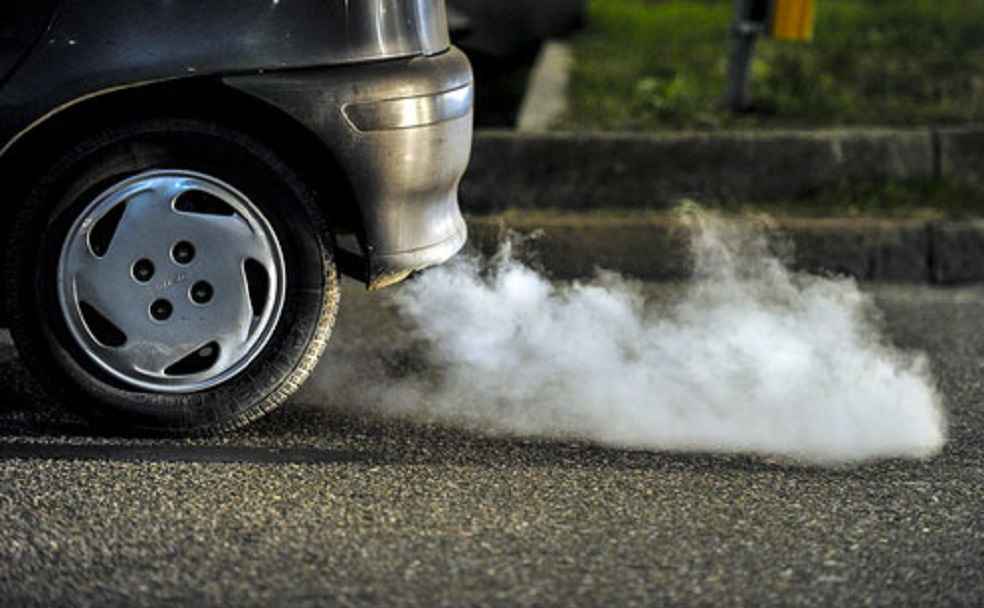
While the original decision included a formal review scheduled for 2026, sustained pressure from automakers and several national governments has prompted the Commission to advance discussions on revisions to the end of 2025. Any proposed changes will be submitted to the European Parliament for assessment and debate.
For critics of the ban, the focus has shifted beyond delaying the 2035 deadline. Many are now calling for greater flexibility within the regulatory framework. Carmakers are seeking continued approval for certain hybrid technologies, including plug-in hybrids and vehicles equipped with range extenders, where small combustion engines are used to recharge batteries rather than directly power the wheels.
Germany has backed this approach, along with several Eastern European countries that host German automotive manufacturing facilities.
The potential policy shift carries particular significance for Türkiye, which exports nearly 80% of its automotive production to the European Union. Any relaxation of the 2035 target could extend the export lifespan of internal combustion and hybrid vehicles produced in Türkiye, offering manufacturers additional time to adapt.

A more flexible EU timeline would also allow global automotive brands operating in Türkiye to plan their transition to electric mobility more gradually, reducing the risk of sudden closures of existing combustion-engine production lines.
The sector is a major employer, providing direct and indirect jobs to hundreds of thousands of people, and a slower phaseout could help ease short- and medium-term employment pressures.
Electric vehicles currently account for around 18% of total vehicle sales in Türkiye. Continued availability of petrol and hybrid models in the EU market could also support their presence in the domestic market for a longer period.
Türkiye closely aligns its automotive emissions standards and technical regulations with EU legislation. As a result, a more gradual approach by Brussels would give Türkiye greater flexibility to manage its own transition toward cleaner mobility on a more phased and realistic timeline.
NEW LAUNCH | Geely Opens World’s Largest Automotive Safety Testing Center