




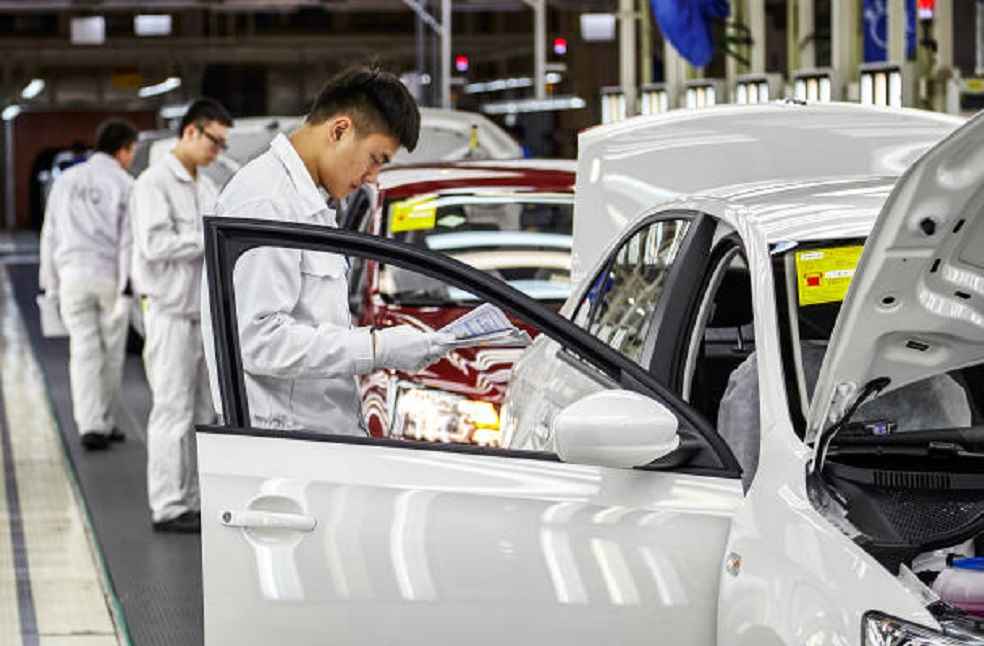
Chinese EV makers may claim as many as five spots in the global top 10 carmakers by 2030, supported by their growing tech and manufacturing edge, McKinsey has projected.
Guan Mingyu, a senior partner at McKinsey, noted that the industry is already exhibiting signs of a structural shift. “The industry will undergo some major changes by 2030. Indeed, we have already seen some signs that tremendous changes are taking shape,” he told reporters during a briefing.
BYD and Geely Holding Group have already secured positions in the global top 10 by sales. Guan did not identify which additional companies could join them by 2030, but several state-owned groups, SAIC, FAW, and Changan, are close behind in deliveries.
At the same time, new smart-EV players such as Xiaomi, Xpeng, and Leapmotor have posted rapid sales growth. Their latest models have drawn customers away from Tesla’s Shanghai-built Model 3 and Model Y, signalling rising competitive strength in the world’s largest automotive market.
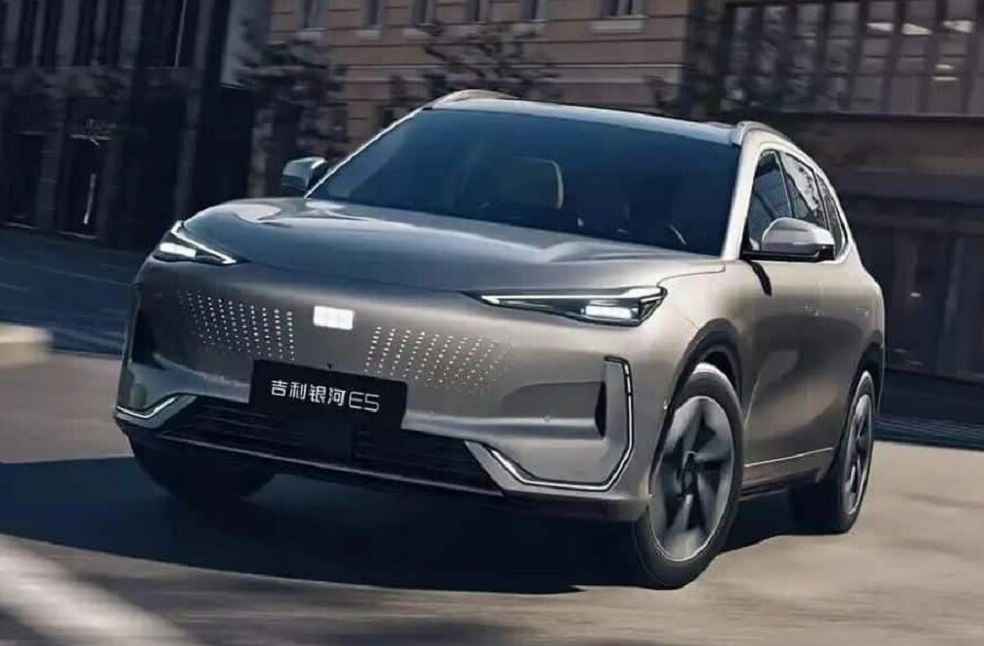
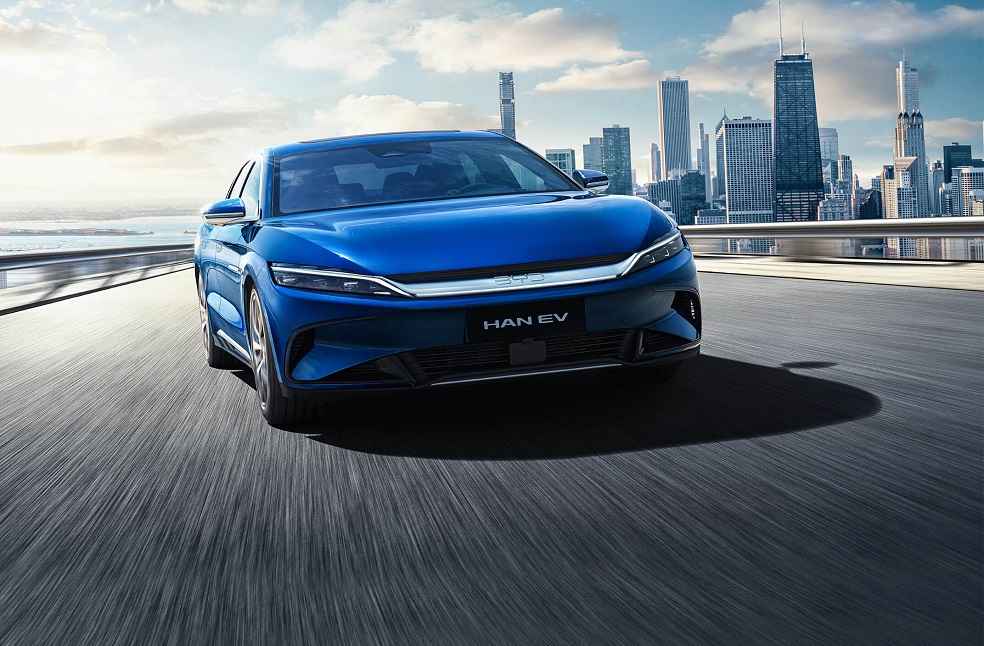
GlobalData figures show BYD ranked fifth last year with 4.27 million deliveries, while Geely placed 10th with 3.34 million units. Most sales for both companies were domestic.
BYD expects exports to reach 20% of total sales this year, up from 10% last year, targeting 800,000 to 1 million overseas deliveries from projected total sales of 4.6 million units.
Analysts say Chinese manufacturers lead the global EV sector through scale, government backing, and consumer appetite for rapid innovation. China produces more than 30% of the world’s vehicles, and mainland buyers account for over 60% of global EV purchases, according to the China Passenger Car Association.
The country also dominates the EV supply chain. More than 70% of global EV batteries come from Chinese producers, led by CATL and BYD.
Vehicle exports continue to rise as well. China shipped 5.62 million vehicles, passenger and commercial, in the first 10 months of 2025, a year-on-year increase of 15.7%, data from the China Association of Automobile Manufacturers showed. Guan said export growth would moderate but remain positive.
Independent analyst Gao Shen noted that Chinese carmakers must boost overseas sales to strengthen profitability and global influence. “The next five years will be crucial … they have to convince consumers and investors of their ability to make profits,” he said.
Profitability remains a challenge. Fewer than 10% of EV brands in China are expected to be profitable within five years, AlixPartners warned in July, citing an ongoing price war and excess capacity. China may produce about 33 million vehicles this year despite a capacity for roughly 50 million, according to JPMorgan’s Nick Lai.
Still, Lai said Chinese EV makers could earn about 20,000 yuan profit per vehicle overseas, around four times higher than at home, supported by stronger pricing in international markets.
EV WORLD | CATL, Stellantis Launch Construction of LFP Battery Plant in Spain