




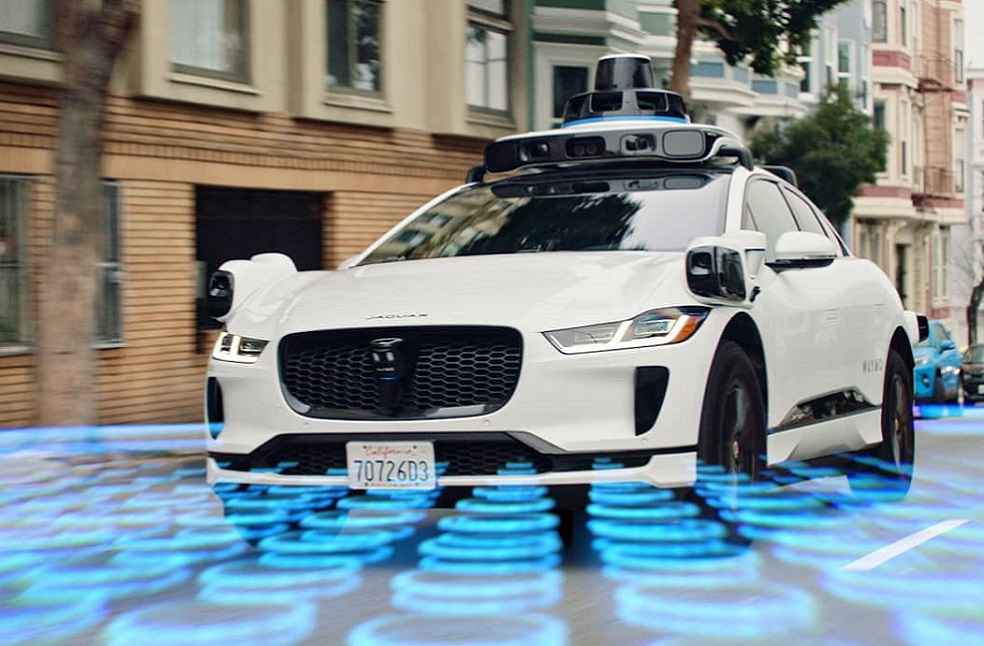
Waymo will end its exclusive partnership with Uber in Austin and Atlanta from January 2028 as the autonomous vehicle company moves to operate independently in both cities.
Waymo co-CEO Tekedra Mawakana told Bloomberg News that the company plans to discontinue the exclusive arrangement and offer services directly through its own mobile application, a model it already uses in several other markets.
Mawakana noted Uber does not guarantee that users requesting rides through its platform will be matched with a driverless vehicle. Although customers can enable autonomous rides through the app’s settings, availability depends on the number of Waymo vehicles operating nearby. When no robotaxi is available, Uber assigns a conventional human-driven vehicle.
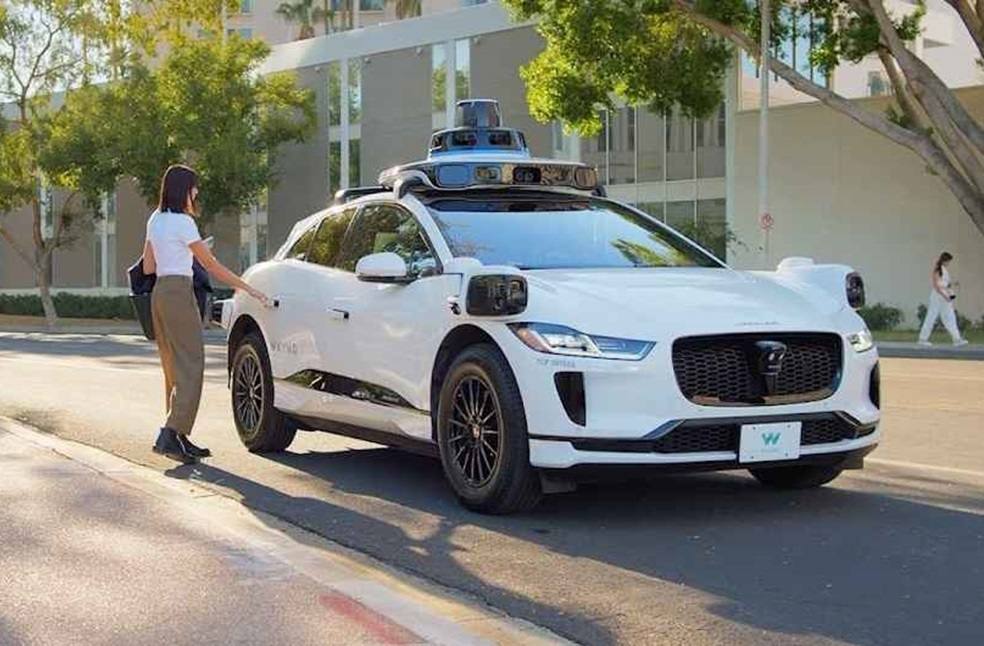
Following the partnership’s conclusion, Waymo plans to provide rides directly through its own smartphone application. Meanwhile, Uber confirmed to TechCrunch that it intends to continue offering Waymo robotaxis through its platform for as long as the partnership remains in place.
Earlier this year, the Financial Times reported that Waymo was considering ending its partnership with Uber before the agreement’s scheduled expiration in May 2028. According to Mawakana, the collaboration initially helped Waymo expand its reach by leveraging Uber’s scale and customer base.
However, the current arrangement has resulted in an inconsistent customer experience, as riders cannot be certain whether their booking will be assigned to a robotaxi or a human-driven vehicle. Uber reportedly proposed introducing a dedicated robotaxi booking option within its app to improve access to Waymo vehicles, but Waymo declined it.
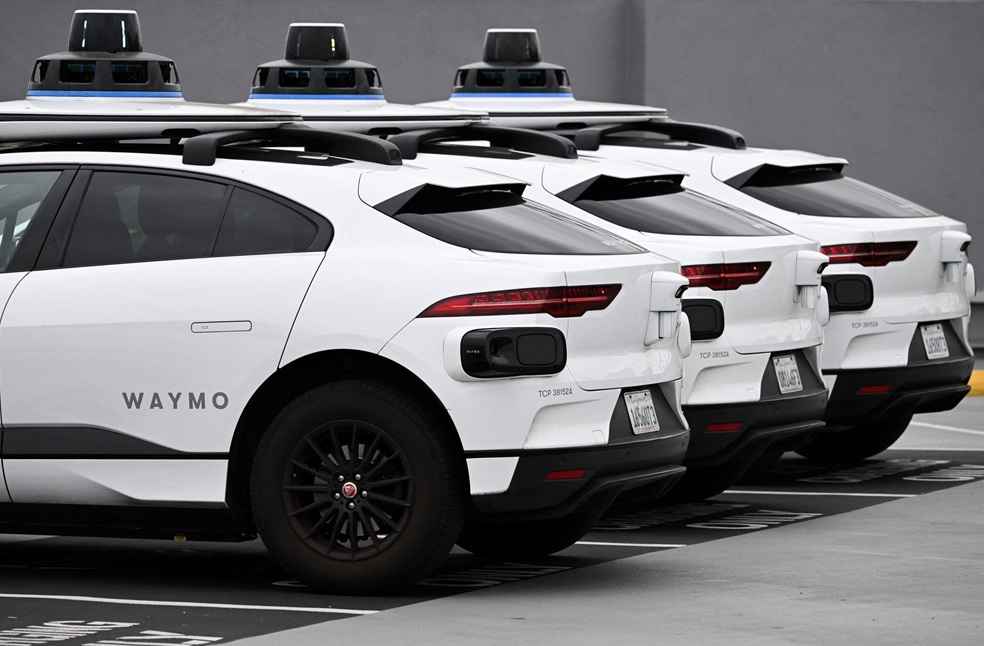
From January 2028, Waymo will therefore operate independently in Austin and Atlanta, offering rides through its own application, as it does in more than two dozen other US cities. The move will also make Uber a direct competitor in both markets.
Waymo, a subsidiary of Alphabet, has expanded rapidly and currently completes more than 500,000 paid autonomous trips each week. The company operates in 15 U.S. cities and plans to expand into additional markets, maintaining a leading position in the U.S. robotaxi sector.
EV WORLD | BEVs Account for Record 37% of Germany’s New Car Registrations