




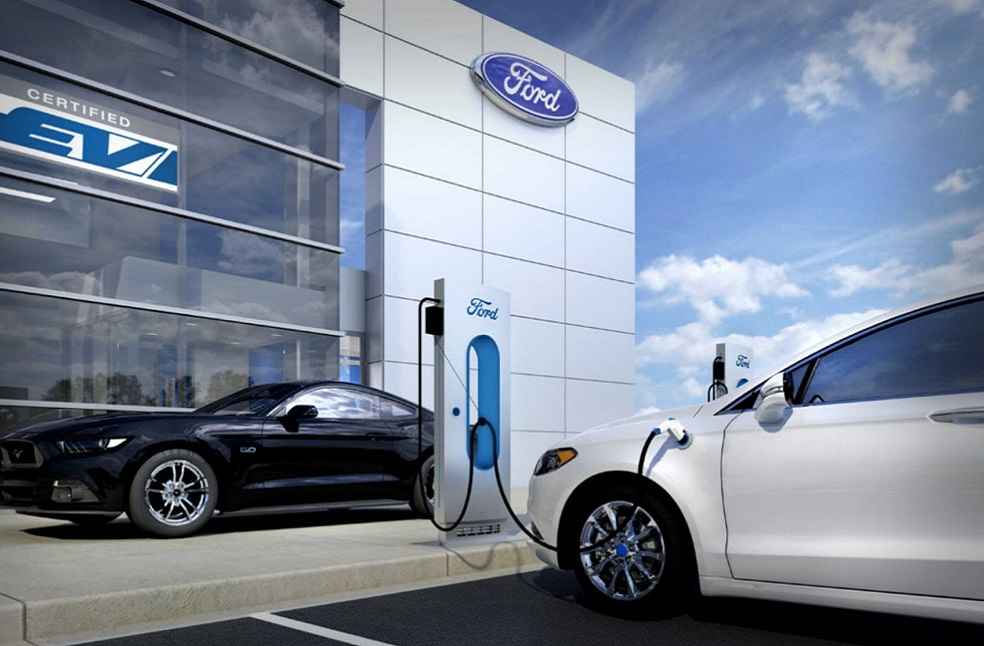
Ford and Renault have entered into a partnership that will enable Ford to utilize Renault’s Ampere platform as the foundation for two new electric vehicles, planned for release in early 2028.
As part of the agreement, Renault will also manufacture these EVs for Ford—much like the earlier Ford-Volkswagen arrangement that produced the Europe-focused Explorer and Capri models.
Ford and Renault have not specified which iteration of the Ampere platform will underpin the upcoming models, leaving open the possibility of using either AmpR Small (formerly CMF-B EV) or AmpR Medium (previously CMF-EV).
If both are employed, one vehicle would likely be a B-segment subcompact and the other a C-segment compact.
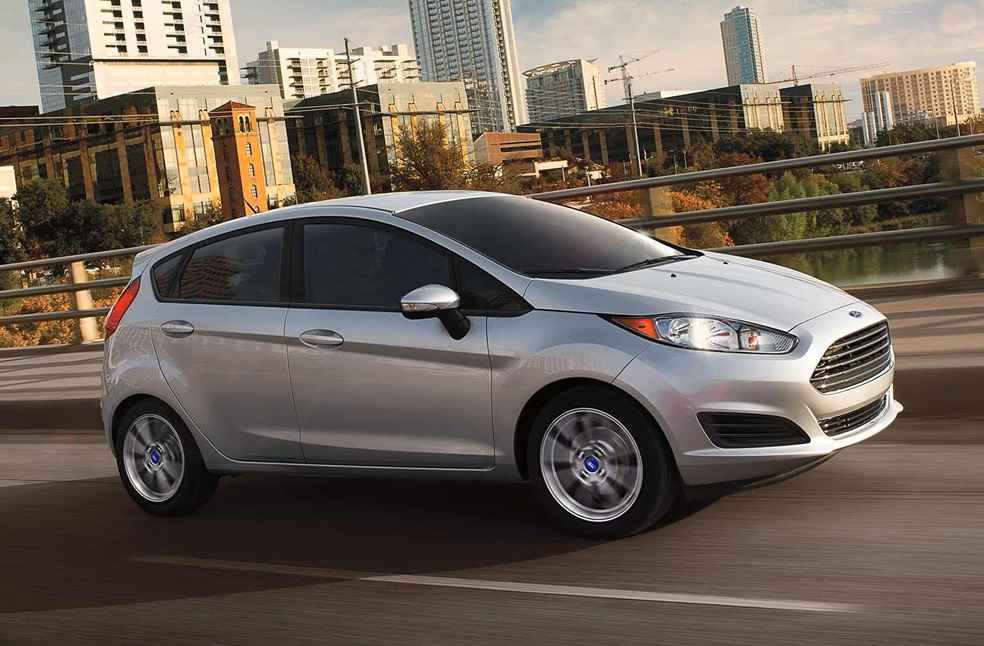
While no official confirmation has been made yet, the lineup might instead consist of two city-focused models: a hatchback and a taller crossover, both using the AmpR Small platform, effectively serving as Ford’s counterparts to the Renault 5 and 4 E-Tech.
This scenario would mark the revival of the Fiesta badge as a fully electric model, positioning it as the fifth hatchback to use this architecture, alongside the Renault 5, Renault Twingo, Nissan Micra EV, and a forthcoming Dacia-branded model.
Although the upcoming Ford models will be based on Renault’s platform, CEO Jim Farley emphasized that they “will combine Renault Group’s industrial scale and EV assets with Ford’s iconic design and driving dynamics to create vehicles that are fun, capable, and distinctly Ford in spirit.”
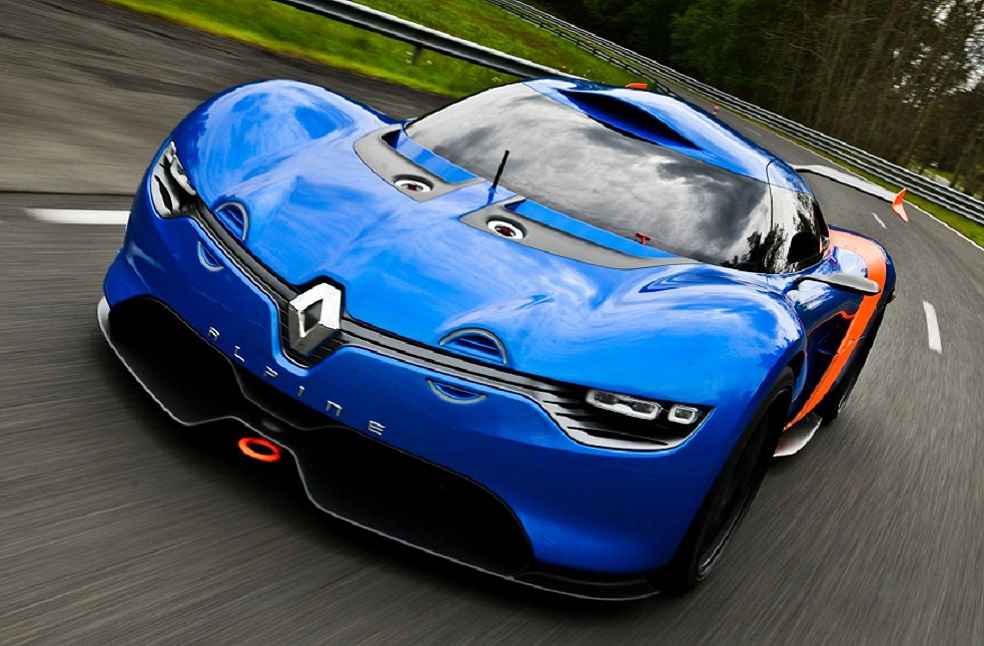
Using this architecture could pave the way for Ford to bring back the Fiesta ST as an electric hot hatch by adapting the Alpine A290’s powertrain, which delivers 220 hp and 221 lb-ft (300 Nm) of torque and enables a 0–62 mph (0–100 km/h) time of 6.4 seconds.
The battery setups will probably match those used in the Renault 5 and 4, meaning entry-level versions will feature a 40 kWh pack, while higher-spec models will use a 52 kWh unit. The Renault 5 offers up to 255 miles (410 km) of WLTP-rated range with this setup, and Ford’s versions are likely to deliver similar figures.
Production of both vehicles will take place at Renault’s EV facility in Douai. Alongside this partnership, Ford is also working on its own electric models, one of which may revive the Focus nameplate—though in crossover form rather than as a hatchback.
OBSERVATION | Tavares Warns EU Auto Sector Faces Major Threat From China