





At the 2025 Automotive Intelligent Data Ecosystem Conference in Tianjin, major automakers, including Geely, Great Wall Motor, Chery, and Nio, together with leading battery suppliers such as CATL, FinDreams Battery, and CALB, showcased progress on the Battery ID digital ecosystem initiative.
The project aims to establish a standardized, reliable framework for battery data across international markets, according to CCTV.
The initiative is led by China Automotive Data Company, which developed the Battery ID system after earlier work on lifecycle tracking for power batteries.
The program addresses how manufacturers and suppliers can maintain secure and consistent battery information while meeting diverse regulatory requirements as exports increase.
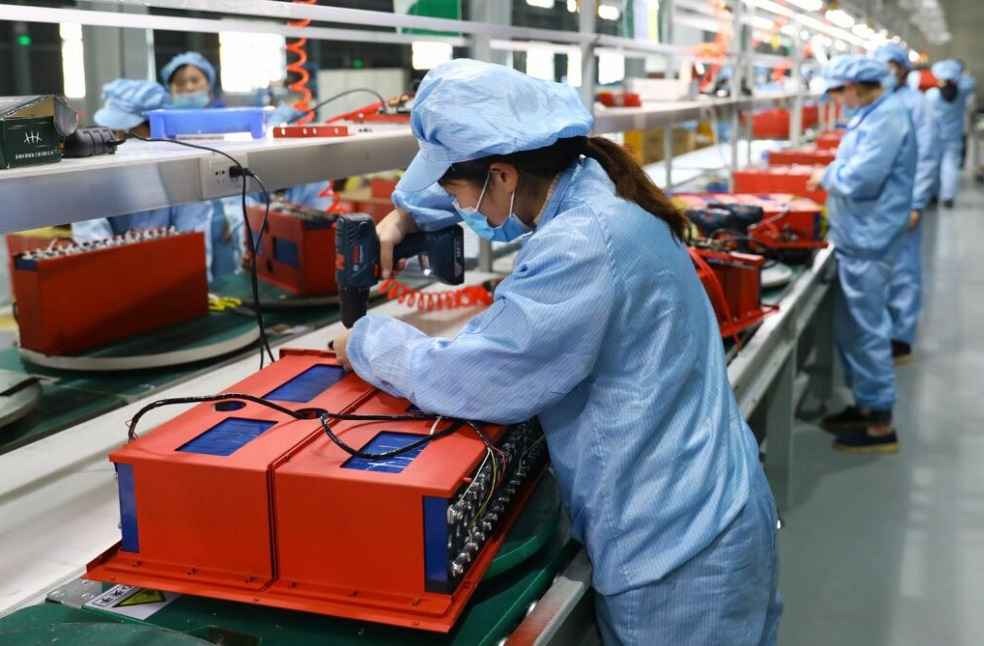
Companies increasingly need data systems capable of verifying production details, compliance records, and technical specifications.
Wang Pan, director of the company’s power battery division, said the core of the solution is the China Battery ID platform. The platform contains an indicator system and three main components: the Battery ID management system, the Data Interaction Connector, and the Battery ID service platform.
Together, they support standardized data collection, system integration, and the creation of unique battery identifiers. In 2024, these functions were integrated into a full workflow, enabling the first companies to enter the Battery ID trusted data space.
The program expanded in 2025 to include energy storage batteries. China Automotive Data Company worked with TUV South to introduce the first certification rules for Battery ID, covering data integrity, integration processes, and secure transmission.

Thirteen companies formed seven joint working teams to test connectivity and authentication in operational scenarios.
Four automakers and three battery producers issued eleven Battery IDs for power batteries and two for energy storage batteries after deploying the Data Interaction Connector and completing certification. This confirmed that cross-company data exchange requirements had been met.
Beyond Battery ID progress, the event marked the launch of the ‘Automotive Industry Trusted Data Space Platform,’ an initiative aimed at building national automotive data infrastructure and public service capabilities.
China Automotive Technology & Research Center vice general manager Gong Jinfeng said the center is working on national-level data space and infrastructure tasks to promote secure, interoperable data flows across related sectors.
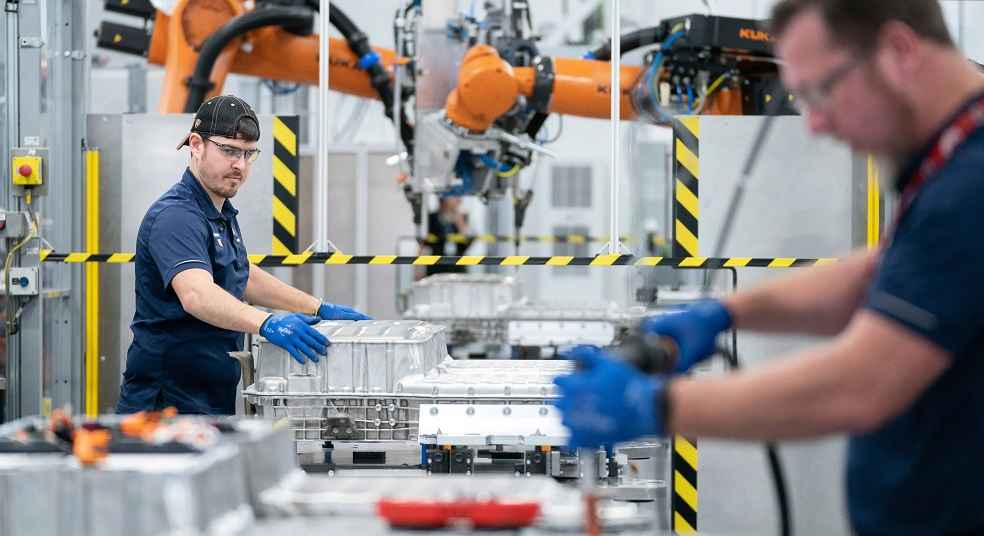
A technical committee has been set up to guide standards for platform governance, cross-industry interoperability, and alignment with national data infrastructure requirements.
China Automotive Data Company also launched a cross-border data circulation pilot with the Tianjin Dongjiang Free Trade Zone, Geely Auto, and CATL.
The pilot will apply classification standards, establish a data circulation service center, and simulate end-to-end cross-border data flows to support compliant transmission of verified battery information to international markets.
GENERAL | Germany Urges EU to Boost Low-Carbon Steel Use in Auto Sector