




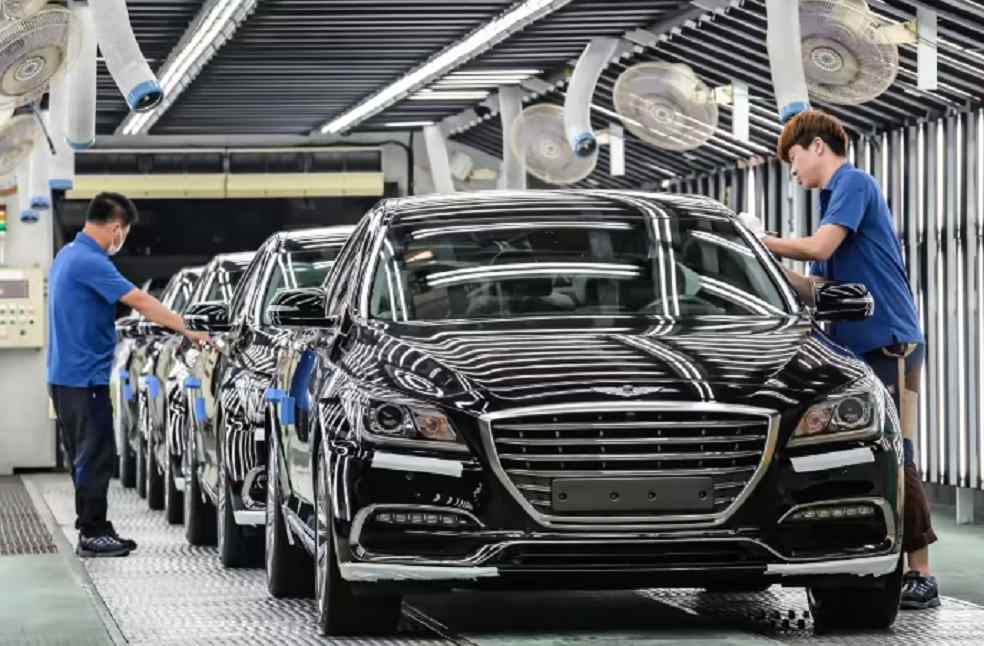
South Korea has put forward a special bill to carry out its $350 billion investment commitment to the United States, paving the way for American tariffs on Korean cars to be reduced from 25% to 15%.
The legislation details the implementation of South Korea’s committed investment and serves as a necessary step before lowering tariffs on cars and auto parts.
The Finance Ministry stated that the reduction can be applied retroactively from November 1. Seoul has also informed the U.S. Commerce Secretary and asked for swift publication in the Federal Register to make the change official.
The bill creates a Korea-U.S. strategic investment fund, supported by a management body that will operate for up to two decades. Its purpose is to direct Korean capital into key U.S. industries such as shipbuilding, energy, and semiconductors.

Funding will be sourced from returns on South Korea’s foreign-exchange reserves and through government-backed bonds issued abroad.
Lowering tariffs is vital for Korean car manufacturers, as the U.S. accounted for nearly half of the sector’s $70.8 billion in vehicle exports in 2024. Cars and auto parts continue to be among South Korea’s top exports to the American market.
In July, Washington and Seoul agreed to set a 15% ceiling on tariffs for Korean goods, though the 25% duty on autos stayed in place until both sides finalized the investment fund arrangements.
The framework was officially confirmed during U.S. President Donald Trump’s visit to Seoul in October, followed by a joint fact sheet earlier this month detailing trade and security commitments.
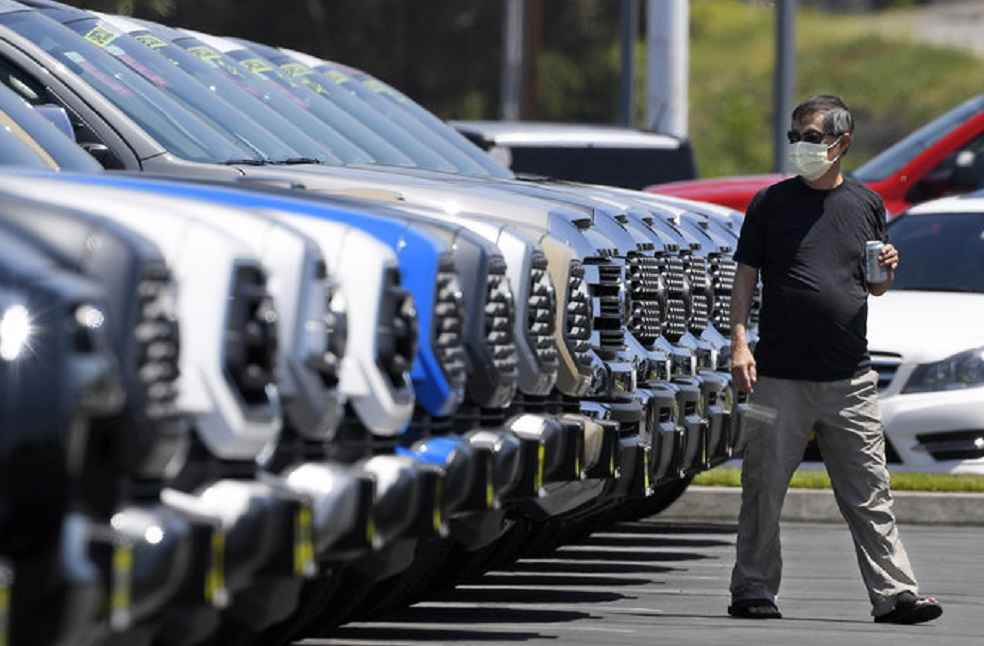
Japan secured a similar arrangement in September through a memorandum of understanding, which lowered auto tariffs to 15% and temporarily benefited its carmakers. Once the U.S. signs off, Seoul will finally receive the tariff relief agreed to earlier in the summer.
Though the 15% duty is below the rates imposed earlier this year, it is still higher than the levels that existed before President Trump took office. With vehicle exports making up more than 40% of South Korea’s GDP, the tariff cut carries substantial economic importance.
AUTO TECH | Changan Automobile Enters Humanoid Robotics Sector with New Plans