




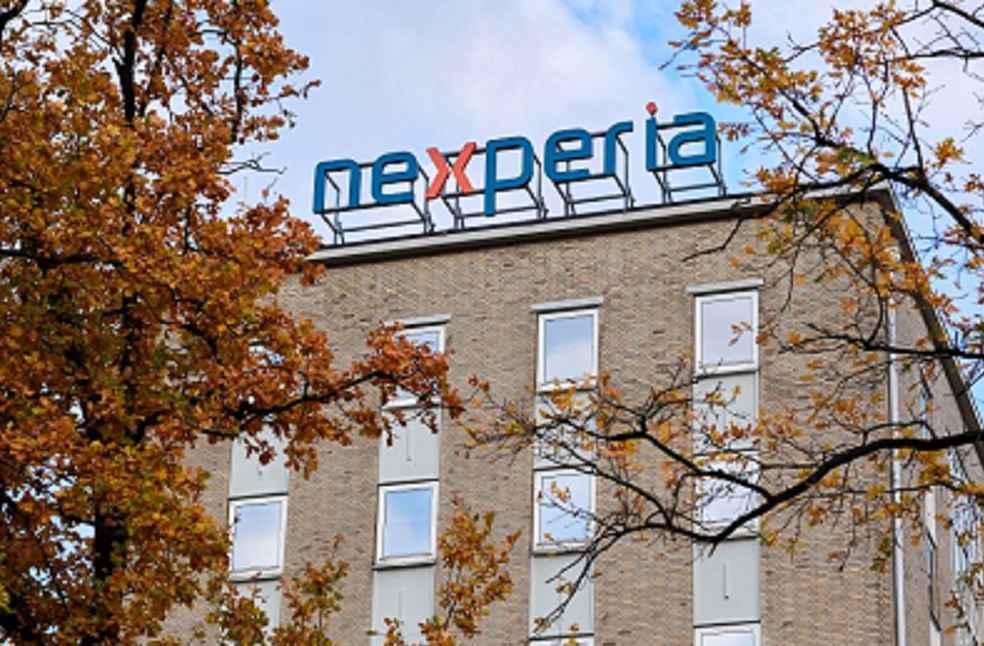
German automakers are monitoring potential supply chain disruptions following a trade and intellectual property dispute involving chipmaker Nexperia, which faces export restrictions in both the United States and China.
Nexperia, a Netherlands-based company and a leading producer of core chips used in cars and consumer electronics, has become a focal point in the ongoing trade tensions between the world’s two largest economies.
While the U.S. is increasing pressure on the tech sector, China has imposed restrictions on the export of rare earth metals, creating a complex environment for global chip supply.
BMW confirmed that parts of its supplier network have been affected but stated that production at its plants is continuing as planned. A company spokesperson said they are in “constant contact with suppliers” to assess risks and implement measures as needed.
Mercedes-Benz and Volkswagen are also closely monitoring the situation. Mercedes-Benz did not specify whether Nexperia is part of its supply chain, while Volkswagen reported that production remains unaffected but said it is prepared to respond to potential risks.
Amid the dispute, Nexperia has appointed a new interim CEO and is seeking discussions with U.S. and Chinese authorities regarding export restrictions.
Its previous director, Zhang Xuezheng, was removed by a Dutch court following pressure from the U.S. Subsequently, the Dutch government assumed control of Nexperia over concerns about technology transfer to its Chinese parent company, Wingtech.
Although Nexperia’s chips are not considered highly complex, their high-volume demand makes them critical to the automotive supply chain. The company’s largest production facility is in Hamburg, Germany, with most chips packaged and assembled into larger components in China.
The developments place European carmakers on alert as they navigate a landscape of tariffs, foreign competition, and fluctuating demand while ensuring continuity in chip-dependent production
NEW LAUNCH | Li Auto Launches Hong Kong Headquarters to Drive Global Expansion