



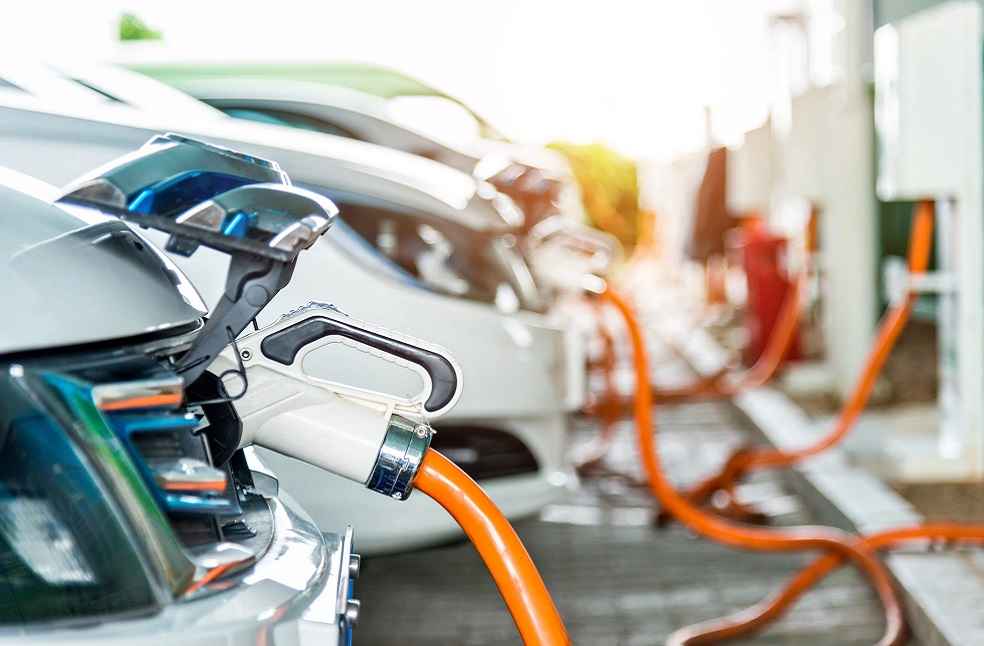
The Malaysian Automotive Association (MAA) has urged the government to continue supporting the country’s electric vehicle (EV) industry beyond 2025, warning that the planned end of EV tax exemptions for fully imported battery vehicles could slow the sector’s growth.
Responding to Budget 2026, the association said it supports Malaysia’s push to expand local EV assembly and manufacturing but stressed that the domestic market remains in its infancy.
Without ongoing incentives for completely built-up (CBU) EVs, MAA warned that sustaining sales growth and encouraging broader consumer adoption will become increasingly difficult.
MAA emphasized that Malaysia’s EV policies must evolve alongside global developments and rapid technological change to ensure the country stays competitive and continues to attract foreign investment.
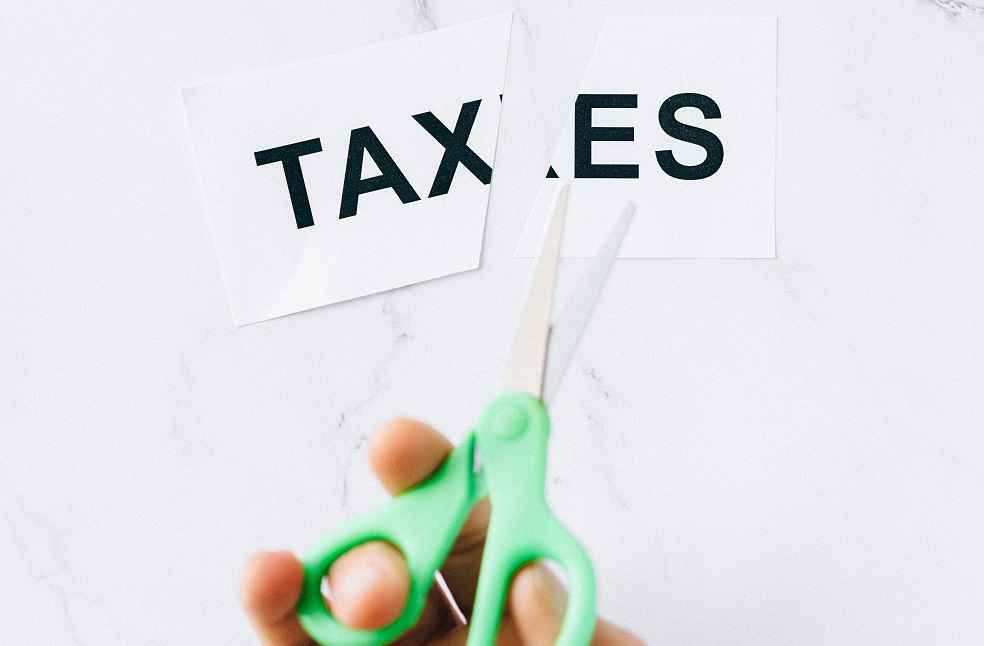
It called for a balanced and flexible approach that supports both imported (CBU) and locally assembled (CKD) electric vehicles to maintain industry momentum.
Beyond EV-related measures, MAA welcomed the government’s plan to introduce Lemon Law provisions under the Consumer Protection Act 1999.
It said that the effectiveness of the law will depend on clear definitions, transparent complaint procedures, and widespread public awareness.
The association also praised the road tax and excise duty exemptions announced for taxi and e-hailing drivers purchasing new Proton and Perodua vehicles, describing the measure as one that will ease financial burdens for small operators while strengthening Malaysia’s national carmakers.
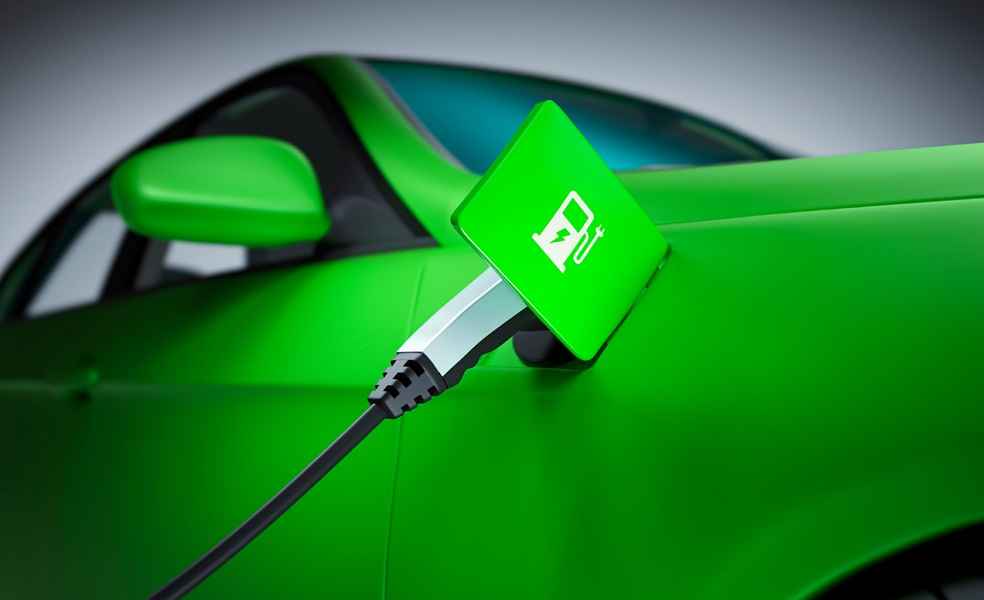
Additionally, MAA expressed support for the RM4,000 grant offered to owners who scrap vehicles older than 20 years and buy new national models.
It said the initiative could serve as a foundation for a future End-of-Life Vehicle (ELV) policy and recommended expanding eligibility to include other locally assembled models.
Commenting on the government’s plan to cap vehicle prices at RM300,000 in Langkawi and Labuan, the association said it recognizes the intent to prevent misuse of duty-free privileges but urged continued dialogue with stakeholders to ensure fair and sustainable implementation.
AUTO TECH | Haryana Seeks Japanese Partnership to Boost Automotive, Tech Sectors