




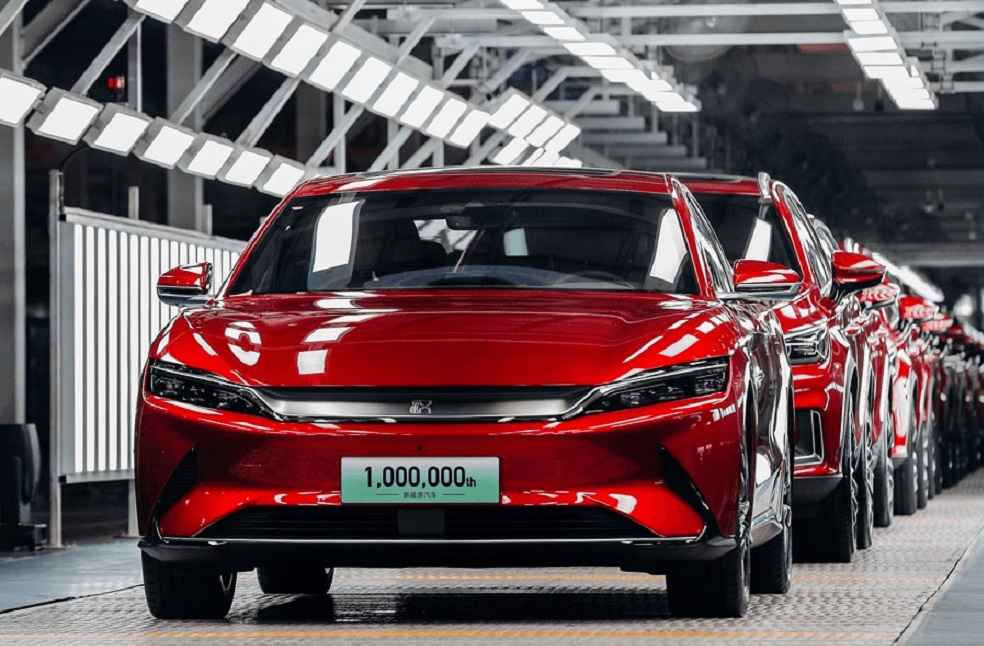
China’s largest carmaker, BYD, has launched sales of its electric vehicles (EVs) in Argentina, marking a key step in its South American expansion. The move comes as the country lifts import tariffs on electric and hybrid vehicles, creating new opportunities for automakers targeting the region’s evolving mobility market.
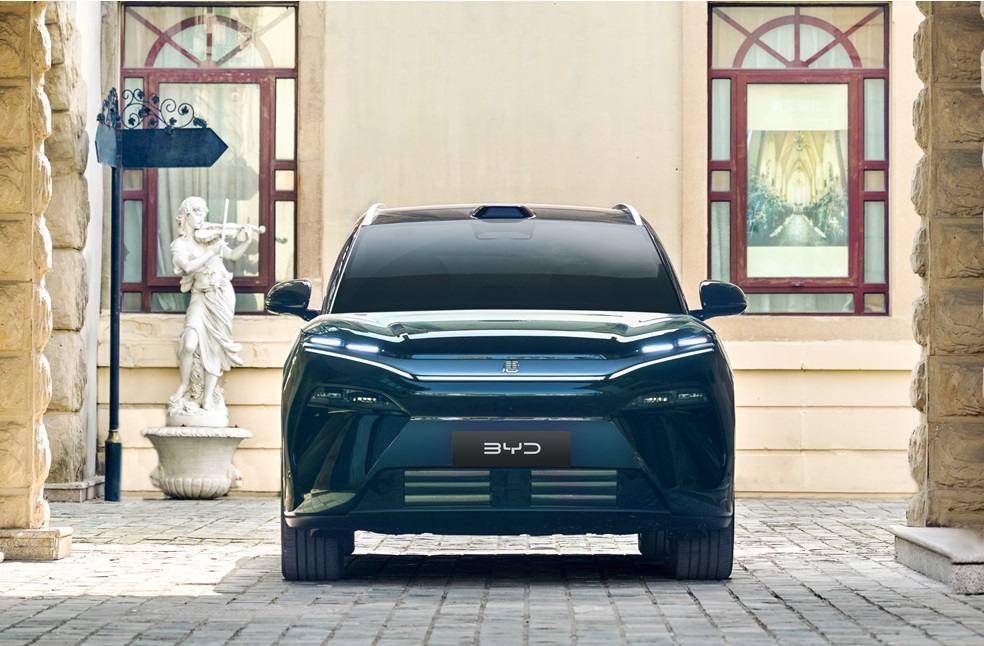
The company’s lineup in Argentina includes the electric Yuan Pro SUV, the Song Pro plug-in hybrid SUV, and the compact Dolphin Mini EV. Each model is priced below $16,000 at origin, before taxes and fees, to benefit from Argentina’s new policy allowing up to 50,000 electric and hybrid vehicles to be imported duty-free in 2026.
Under normal conditions, imported cars from brands without local production or Mercosur affiliation, such as Argentina’s partners Brazil, Uruguay, and Paraguay, are subject to a 35% tariff. The recent policy exemption, therefore, opens the market to manufacturers like BYD, which have no domestic plants but can now import competitively priced EVs.
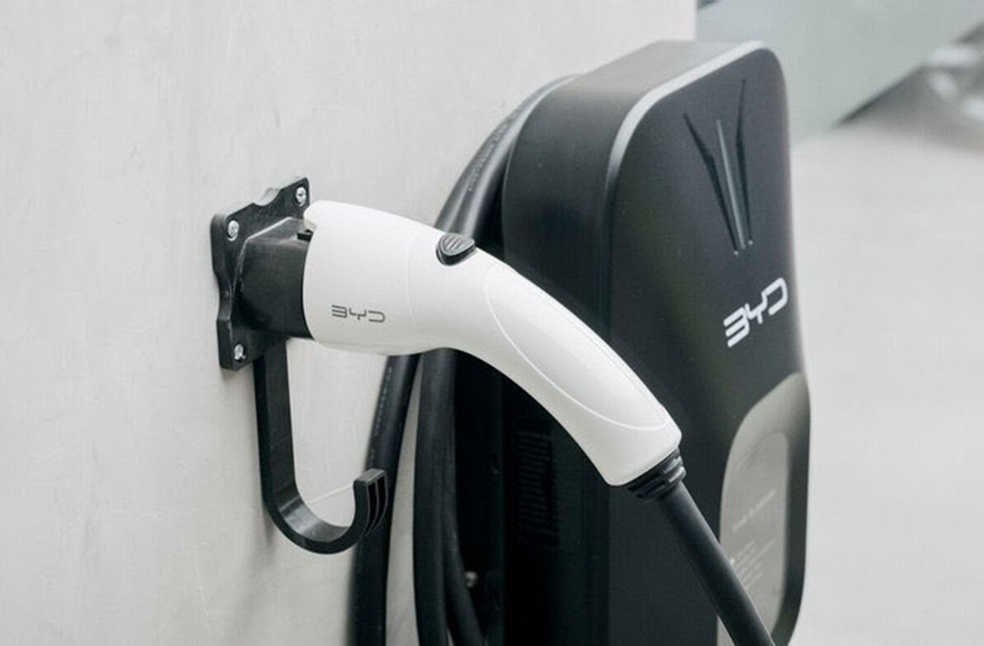
Stephen Deng, BYD’s country manager in Argentina, confirmed that the company has received an allocation to import about 7,800 electric and hybrid vehicles under the government’s new scheme. “We see great potential in the long term for Argentina to develop electromobility,” Deng told Reuters, describing the policy as ‘a tremendous opportunity.’
Analysts and local dealers believe the measure will particularly benefit lower-cost Chinese carmakers such as BYD, which is aggressively expanding across South America. “We will see a rebound; demand will finally take off in Argentina,” said Felipe Munoz, a global automotive analyst at JATO Dynamics in Italy.
Despite being South America’s second-largest automotive market after Brazil, Argentina has lagged in EV adoption. Between January and August 2025, only 486 electric cars were sold out of a total of 421,000 new vehicles, largely due to unfavorable exchange rates and limited supply. Most consumers have continued purchasing locally manufactured combustion-engine cars instead.
The broader automotive sector has shown signs of recovery. Industry data from September revealed that new vehicle registrations rose 60.4% in the first nine months of the year compared with the same period in 2024, supported by reduced tariffs and improved access to credit.
“Amid all these ups and downs, we’ve continued selling vehicles at a more than acceptable pace,” said Sebastian Beato, president of Argentina’s Association of Automotive Dealers (ACARA), in October, noting the resilience of sales despite currency volatility and political uncertainty.
BYD’s expansion in Argentina follows its rapid growth across South America, including a new factory in Brazil. Its success there has met resistance from industry and labor groups concerned about competition and potential job losses in the domestic auto sector.
Globally, BYD continues to face challenges amid intensifying competition from Chinese rivals such as Geely Auto and Leapmotor. According to a recent company filing, the firm reported its first quarterly sales decline since 2020, underscoring the increasingly competitive dynamics of the global electric vehicle market.
GENERAL | BMW Lowers 2025 Earnings Forecast Due to Weak Sales and Tariffs